
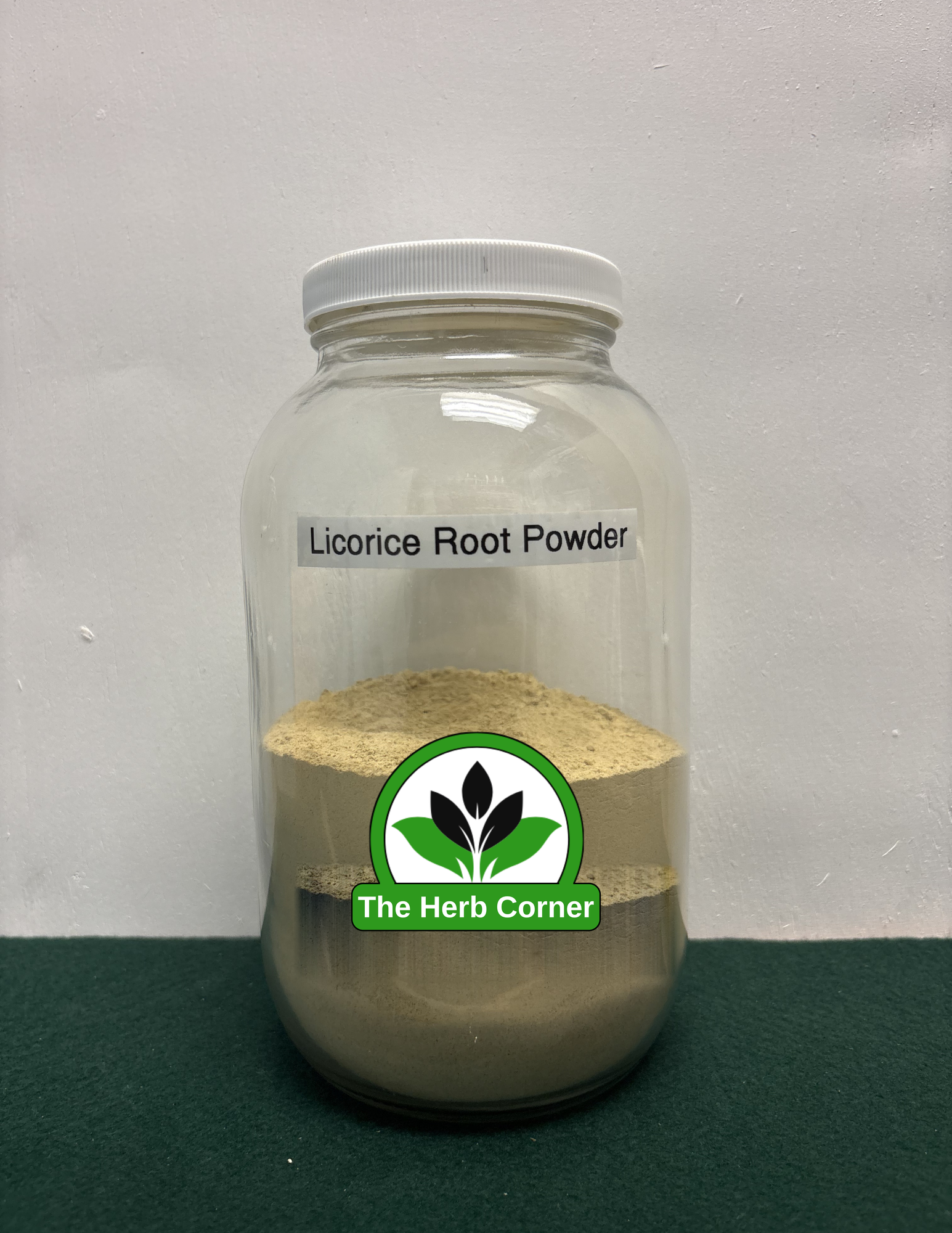
Traditional Use: Used for millennia across Ayurvedic, TCM, ancient Egyptian, Greek, and European traditions as an adrenal tonic, anti-inflammatory, and digestive healer; traditionally prescribed for peptic ulcers, gastritis, adrenal exhaustion, respiratory congestion, sore throat, and as a harmonizing herb in compound formulas.
Potential Benefits: Glycyrrhizin and flavonoids deliver potent anti-inflammatory, antiviral, hepatoprotective, adrenal-supportive, and mucosal-healing effects; clinical evidence supports meaningful improvement in peptic ulcers, gastritis, adrenal fatigue, chronic fatigue syndrome, respiratory infections, and liver disease with appropriate use.
Warnings: Avoid prolonged high-dose use — glycyrrhizin causes sodium retention, potassium depletion, hypertension, and edema; contraindicated in hypertension, kidney disease, liver cirrhosis, hypokalemia, and pregnancy; deglycyrrhizinated licorice (DGL) is significantly safer for long-term gastrointestinal use; may interact with antihypertensive, diuretic, and corticosteroid medications; limit use to no more than 4–6 weeks without professional supervision.

Reviews
There are no reviews yet.