
Herb Bark
Showing all 16 results
-
 Herb Bark
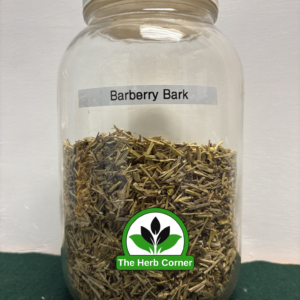
Barberry Bark (Berberis vulgaris)
A thorny shrub with a bright yellow inner bark containing berberine — one of the most extensively researched plant alkaloids in modern science. A powerful antimicrobial and metabolic herb with a therapeutic profile that rivals several pharmaceutical agents.
-
 Herb Bark
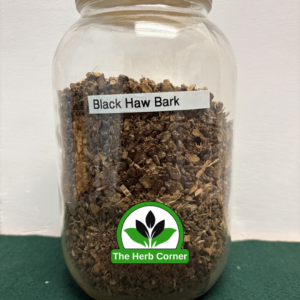
Black Haw Bark (Viburnum prunifolium)
Black haw bark (Viburnum prunifolium) is esteemed as a powerful antispasmodic and uterine tonic, traditionally used to relieve menstrual cramps, prevent miscarriage, and ease muscle tension throughout the body.
-
 Herb Bark
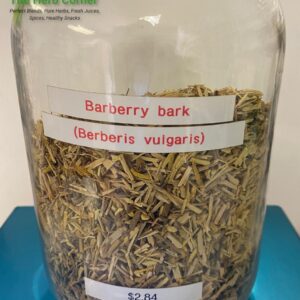
Blackberry Bark (Berberis vulgaris)
Blackberry Bark (Berberis vulgaris) is traditionally known for its bitter, alkaloid-rich properties—particularly berberine—which have been used to support digestion, liver function, and microbial balance in the body.
-
 Herb Bark
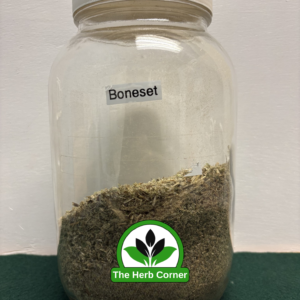
Boneset (Eupatorium perfoliatum)
Boneset (Eupatorium perfoliatum) is traditionally known for its use in supporting the immune system and helping the body manage fevers, colds, and flu-like symptoms.
-
 Herb Bark
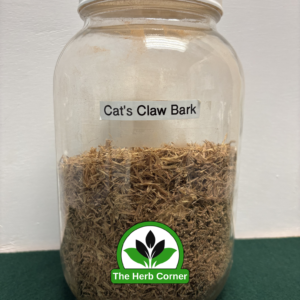
Cat’s Claw Bark (Uncaria tomentosa)
Cat’s Claw Bark (Uncaria tomentosa) is well known among herbalists for its potent anti-inflammatory and immune-modulating properties, and it is traditionally used by indigenous Amazonian peoples to support immune function, ease joint pain and arthritis, and promote overall systemic health.
-
 Herb Bark
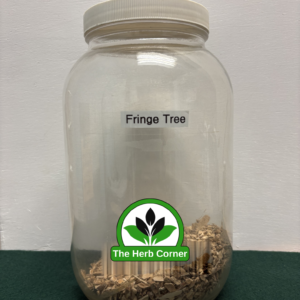
Fringe Tree (Chionanthus virginicus)
Fringe Tree (Chionanthus virginicus) is well known among herbalists for its powerful hepatic and cholagogue properties, traditionally used to support liver and gallbladder function, stimulate bile flow, relieve liver congestion and jaundice, and gently cleanse and tone the entire hepatic system, earning it a strong reputation as one of the finest liver remedies in Western herbal medicine.
-
 Herb Bark
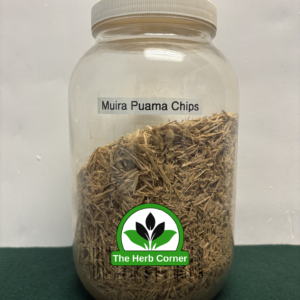
Muira Puama Chips (Liriosma ovata)
Muira Puama Chips (Liriosma ovata) is well known among herbalists for its celebrated aphrodisiac and nervine tonic properties, traditionally used by indigenous Amazonian peoples to enhance libido and sexual function in both men and women, support healthy nervous system function, relieve fatigue and neuromuscular weakness, and restore overall vitality, earning it the widely recognized traditional name “potency wood” throughout South American herbal medicine.
-
 Herb Bark
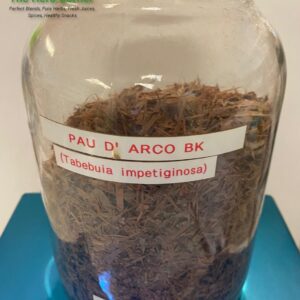
Pau D’Arco Bark (Tabebuia impetiginosa)
Pau D’Arco Bark (Tabebuia impetiginosa) is well known among herbalists for its exceptional antifungal, antiparasitic, and immune-modulating properties, traditionally harvested from the inner bark of the South American Tabebuia tree and used by indigenous Amazonian and Incan peoples to combat systemic candida and fungal infections, support immune function, relieve inflammation, and provide broad-spectrum antimicrobial protection through its rich naphthoquinone compounds lapachol and beta-lapachone.
-
 Herb Bark
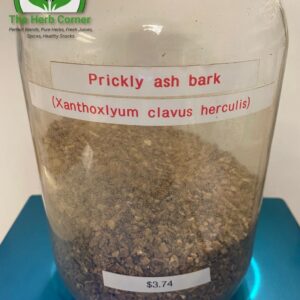
Prickly Ash Bark (Zanthoxylum clava-herculis)
Prickly Ash Bark (Zanthoxylum clava-herculis) is well known among herbalists for its powerful circulatory stimulant and analgesic properties, traditionally used by Native American peoples to relieve toothache and nerve pain, improve peripheral circulation, ease rheumatic and arthritic conditions, support digestive health through its bitter tonic action, and stimulate the lymphatic system, earning it the traditional nickname “toothache tree” for its remarkable numbing properties.
-
 Herb Bark
Quassia Wood Chips (Picrasma excelsa)
Quassia Wood Chips (Picrasma excelsa) is well known among herbalists for its exceptionally potent bitter tonic and antiparasitic properties, traditionally used to stimulate digestive secretions and improve appetite, expel intestinal parasites and worms, support liver and gallbladder function, and provide broad-spectrum antimicrobial benefits through its primary active bitter compounds quassin and neoquassin, making it one of the most intensely bitter botanicals used in Western herbal medicine.
-
 Herb Bark
White Oak Bark (Quercus alba)
White Oak Bark (Quercus alba) is well known among herbalists for its exceptionally high tannin content and powerful astringent properties, traditionally used to tone and tighten mucous membranes, relieve diarrhea and dysentery, reduce inflammation of the digestive tract, treat hemorrhoids and varicose veins, support wound healing and skin conditions topically, and provide broad-spectrum antimicrobial benefits, making it one of the most valued astringent and tissue-toning herbs in Western herbal medicine.
-
 Herb Bark
White Pine Bark (Pinus strobus)
White Pine Bark (Pinus strobus) is well known among herbalists for its rich proanthocyanidin and expectorant properties, traditionally used by Native American peoples to relieve respiratory congestion, coughs, and bronchitis, provide powerful antioxidant protection through its concentrated oligomeric proanthocyanidin content, support cardiovascular health; ease scurvy through its exceptional vitamin C content, and promote overall immune and respiratory well-being.
-
 Herb Bark
White Willow Bark (Salix alba)
White Willow Bark (Salix alba) is well known among herbalists for its remarkable analgesic and anti-inflammatory properties, traditionally used to relieve pain, reduce fever, and ease inflammation through its primary active constituent salicin, which the body converts to salicylic acid, earning it historical significance as the original botanical inspiration for the development of aspirin, and making it one of the most trusted and time-honored natural pain-relieving herbs in Western herbal medicine.
-
 Herb Bark
Wild Cherry Bark (Prunus serotina)
Wild Cherry Bark (Prunus serotina) is well known among herbalists for its potent antitussive and antispasmodic properties, traditionally used to relieve dry, irritating, and spasmodic coughs, ease bronchitis and respiratory congestion, calm nervous system excitability, and provide gentle sedative and astringent benefits through its primary active constituent prunasin, making it one of the most widely used and trusted herbal remedies for respiratory conditions in both Native American and Western herbal medicine traditions.
-
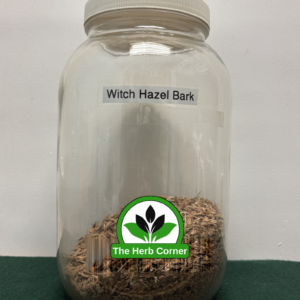 Herb Bark
Witch Hazel Bark (Hamamelis virginiana)
Witch Hazel Bark (Hamamelis virginiana) is well known among herbalists for its exceptional astringent and anti-inflammatory properties, traditionally used by Native American peoples to tone and tighten tissues, relieve hemorrhoids and varicose veins, reduce skin inflammation and irritation, control bleeding and bruising, and provide powerful topical benefits for a wide range of skin conditions through its rich tannin and gallic acid content, making it one of the most widely used and trusted astringent botanicals in both traditional and modern herbal medicine.
-
 Herb Bark
Yohimbe Bark (Pausinystalia johimbe)
A West African evergreen tree bark containing yohimbine — one of the most pharmacologically active and clinically studied plant alkaloids known. Widely used for sexual dysfunction and fat loss, but carrying one of the most significant safety profiles of any commercially available herbal supplement.
