
Herbs
All natural, ethically sourced herbs.
Showing all 89 results
-
 Herbs
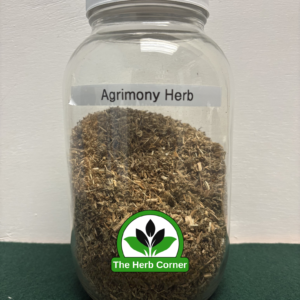
HerbsAgrimony Herb (Agrimonia eupatoria)
Agrimony herb (Agrimonia eupatoria) is cherished as a gentle yet potent astringent, traditionally used to tone and tighten mucous membranes, making it a go-to remedy for digestive complaints, mild urinary tract issues, and soothing sore throats.
-
 Herbs
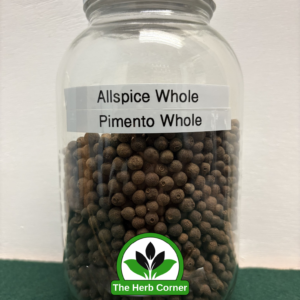
HerbsAllspice Whole (Pimenta dioica)
A warming Caribbean spice combining flavors of clove, cinnamon, and nutmeg. Rich in eugenol, it offers genuine digestive, analgesic, and antimicrobial benefits beyond culinary use, making it a practical dual-purpose kitchen medicine.
-
 Herb Root
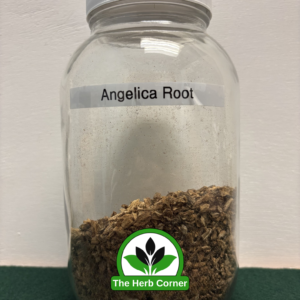
Angelica Root C-S (Angelica archangelica)
Angelica root (Angelica archangelica) is treasured as a warming, aromatic carminative and expectorant, traditionally used to stimulate digestion, ease respiratory congestion, and support overall vitality.
-
 Herbs
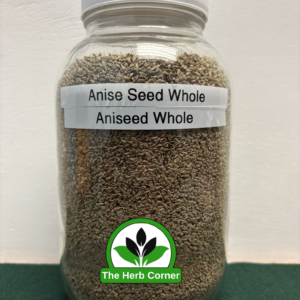
HerbsAnise Seed Whole (Pimpinella anisum)
Anise seed (Pimpinella anisum) is prized as a sweet, aromatic carminative that gently relieves digestive discomfort, eases coughs and respiratory congestion, and adds its distinctive licorice-like flavor to teas and remedies.
-
 Herbs
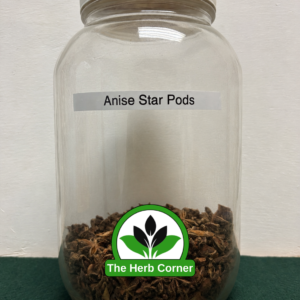
HerbsAnise Star Pods
A striking eight-pointed spice from southern China and Vietnam, sharing anethole’s liquorice flavour with Anise Seed but botanically unrelated. A cornerstone of Chinese five-spice and the primary natural source of shikimic acid used in Tamiflu production.
-
 Herbs
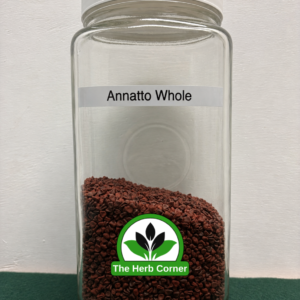
HerbsAnnatto Whole (Bixa orellana)
A vibrant red-orange seed from the tropical Americas, best known as a natural food colourant. Far more than a dye, Annatto contains potent carotenoid antioxidants with genuine therapeutic potential largely overlooked in Western naturopathic practice.
-
 Herbs
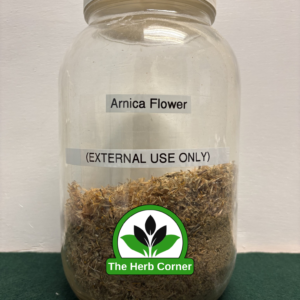
HerbsArnica Flower (Arnica montana)
A bright yellow alpine flower and one of the most widely used topical herbal remedies in the world. A go-to first-aid herb for bruising, muscle soreness, and inflammation — effective, fast-acting, and deeply embedded in European herbal tradition.
-
 Herbs
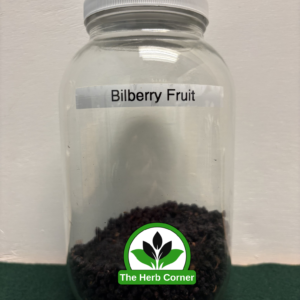
HerbsBilberry Fruit (Vaccinium myrtillus)
A small dark European berry closely related to the blueberry, with one of the highest anthocyanin concentrations of any fruit. Legendary for improving night vision among World War II RAF pilots and now one of the best-evidenced botanical medicines for eye and vascular health.
-
 Herbs
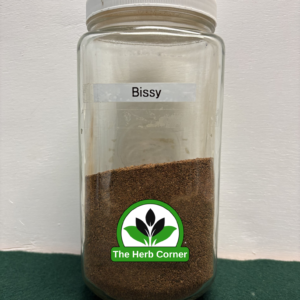
HerbsBissy (Cola Nut) (Cola nitida / Cola acuminata)
A caffeine-rich seed from West Africa with deep cultural and medicinal roots across African and Caribbean traditions. Known as “Bissy” in Jamaican folk medicine, where it holds a revered status as a universal antidote and detoxifying remedy for a wide range of complaints.
-
 Herbs
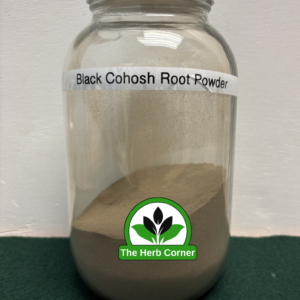
HerbsBlack Cohosh Root (Cimicifuga racemosa)
Black cohosh root (Cimicifuga racemosa) is widely recognized as a valuable botanical remedy for women’s health, particularly known for its ability to relieve hot flashes, night sweats, and other menopausal symptoms, as well as ease menstrual discomfort and support reproductive balance.
-
 Herbs
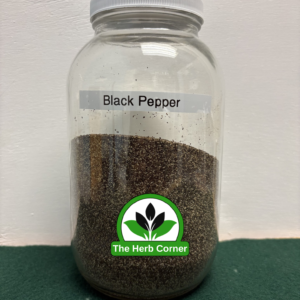
HerbsBlack Pepper (Grounded)
The world’s most traded spice and far more than a condiment — Black Pepper is a genuinely therapeutic herb whose active compound piperine dramatically enhances the bioavailability of numerous nutrients and botanical medicines, making it an indispensable component of naturopathic formulations.
-
 Herbs
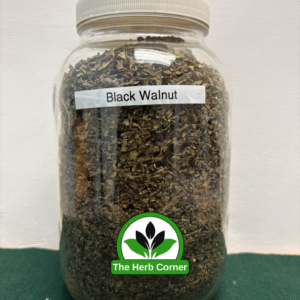
HerbsBlack Walnut
The green outer hull of the Black Walnut — distinct from the edible nut — is one of the most powerful antiparasitic and antimicrobial herbs in the naturopathic dispensary. A cornerstone of traditional North American herbal medicine with a formidable and well-deserved therapeutic reputation.
-
 Herbs
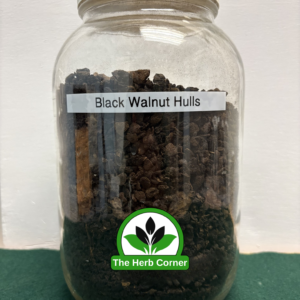
HerbsBlack Walnut Hulls (Juglans nigra)
The green outer hull of the Black Walnut — distinct from the edible nut — is one of the most powerful antiparasitic and antimicrobial herbs in the naturopathic dispensary. A cornerstone of traditional North American herbal medicine with a formidable and well-deserved therapeutic reputation.
-
 Herbs
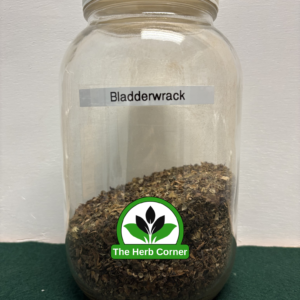
HerbsBladderwrack (Fucus vesiculosus)
Bladderwrack (Fucus spp.) is traditionally known for its natural iodine content and has been used to support thyroid function, metabolism, and overall mineral nourishment.
-
 Herbs
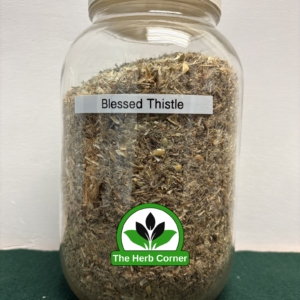
HerbsBlessed Thistle (Cnicus benedictus)
Blessed Thistle (Cnicus benedictus) is traditionally known for its bitter compounds that help stimulate digestion, support liver function, and promote appetite.
-
 Herbs
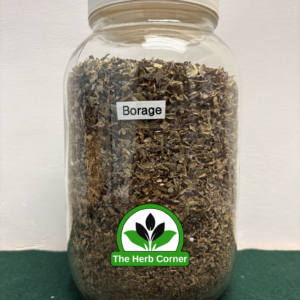
HerbsBorage (Borago officinalis)
Borage (Borago officinalis) is traditionally known for its cooling and anti-inflammatory properties and has been used to support skin health, adrenal function, and overall vitality.
-
 Herbs
HerbsBuckthorn (Rhamnus frangula)
Buckthorn (Rhamnus frangula) is traditionally known for its natural laxative compounds that help stimulate bowel movements and support relief from occasional constipation.
-
 Herbs
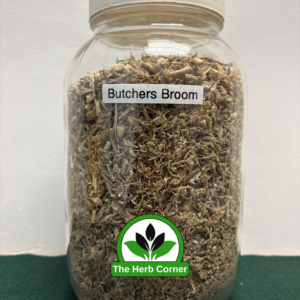
HerbsButcher’s Broom (Ruscus aculeatus)
Butcher’s Broom (Ruscus aculeatus) is known for its ability to tone and strengthen veins and capillaries, making it a highly regarded herb for improving circulation and relieving conditions such as chronic venous insufficiency, varicose veins, and hemorrhoids.
-
 Herbs
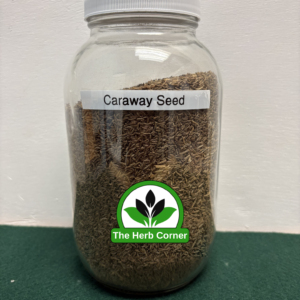
HerbsCaraway Seed (Carum carvi)
Caraway Seed (Carum carvi) is well known among herbalists for its powerful carminative properties, traditionally used to soothe digestive discomfort, relieve bloating and gas, and support overall gastrointestinal health.
-
 Herbs
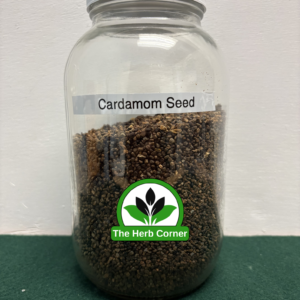
HerbsCardamom Seed (Elettaria cardamomum)
Cardamom Seed (Elettaria cardamomum) is well known among herbalists for its warming, aromatic, and carminative properties, traditionally used to aid digestion, freshen breath, and support respiratory and cardiovascular health.
-
 Herbs
HerbsCascara Sagrada (Rhamnus purshiana)
Cascara Sagrada (Rhamnus purshiana) is well known among herbalists for its potent stimulant laxative properties, traditionally used to relieve chronic constipation by promoting peristalsis and encouraging healthy bowel movements.
-
 Herbs
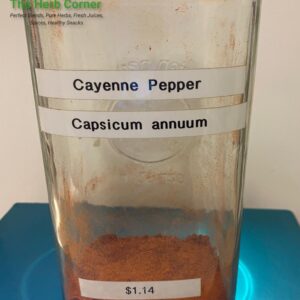
HerbsCayenne Pepper (Capsicum annuum)
Cayenne Pepper (Capsicum annuum) is popular with herbalists for its strong ability to boost circulation, and it has been traditionally used to improve blood flow, ease pain when applied to the skin, support digestive health, and help other herbs work better.
-
 Herbs
HerbsCelery Seed (Apium graveolens)
Celery Seed (Apium graveolens) is popular among herbalists for its ability to help the body eliminate excess water, reduce inflammation, and relieve gas. It has been traditionally used to support kidney health and ease joint pain and gout.
-
 Herbs
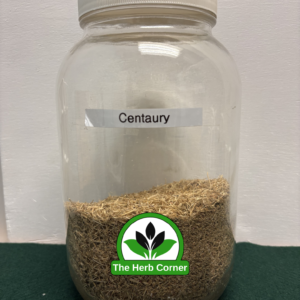
HerbsCentaury (Centaurium umbellatum)
Centaury (Centaurium umbellatum) is well known among herbalists for its potent bitter tonic properties, traditionally used to stimulate digestive function, improve appetite, support liver and gallbladder health, and relieve dyspepsia and sluggish digestion.
-
 Herbs
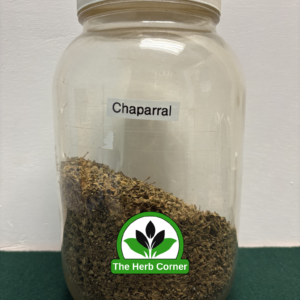
HerbsChaparral (Larrea tridentata)
Chaparral (Larrea tridentata) is well known among herbalists for its potent antioxidant, antimicrobial, and anti-inflammatory properties and was traditionally used by Native American peoples to support immune function, purify the blood, and address skin conditions. However, it is approached with caution due to concerns about liver toxicity with prolonged use.
-
 Herbs
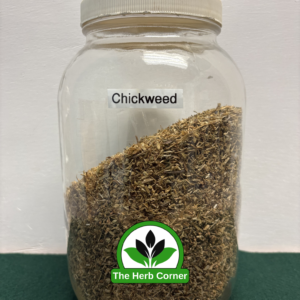
HerbsChickweed (Stellaria media)
Chickweed (Stellaria media) is well known among herbalists for its cooling, soothing, and anti-inflammatory properties, traditionally used to relieve itchy and irritated skin conditions, support respiratory health, and gently aid digestion and metabolism.
-
 Herbs
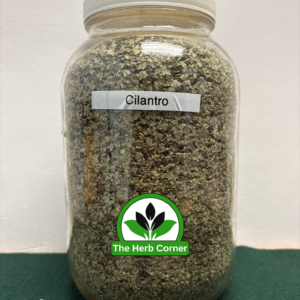
HerbsCilantro (Coriandrum sativum)
Cilantro (Coriandrum sativum) is well known among herbalists for its potent detoxifying and antimicrobial properties, traditionally used to support heavy metal chelation, aid digestion, reduce inflammation, and promote overall digestive and urinary tract health.
-
 Herbs
HerbsCinnamon Chips (Cinnamomum cassia)
Cinnamon Chips (Cinnamomum cassia) is well known among herbalists for its warming, antimicrobial, and blood sugar-regulating properties, traditionally used to support healthy glucose metabolism, improve circulation, aid digestion, and provide relief from colds and congestion.
-
 Herbs
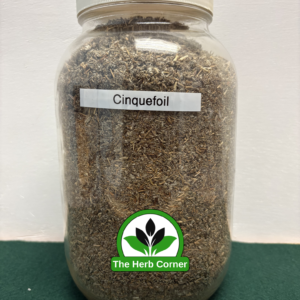
HerbsCinquefoil (Potentilla erecta)
Cinquefoil (Potentilla erecta) is well known among herbalists for its potent astringent and anti-inflammatory properties, traditionally used to tone and tighten mucous membranes, relieve diarrhea, soothe sore throats and mouth ulcers, and support wound healing.
-
 Herbs
HerbsCleavers (Galium aparine)
Cleavers (Galium aparine) is well known among herbalists for its affinity with the lymphatic system, traditionally used as a gentle lymphatic tonic and diuretic to support the clearance of swollen lymph nodes, promote kidney and urinary tract health, and aid in the elimination of toxins from the body.
-
 Herbs
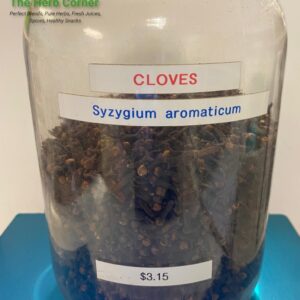
HerbsCloves (Syzygium aromaticum)
Cloves (Syzygium aromaticum) are well known among herbalists for their powerful antimicrobial, analgesic, and carminative properties, traditionally used to relieve toothache and oral pain, expel intestinal parasites, support digestive health, and provide potent antioxidant protection.
-
 Herbs
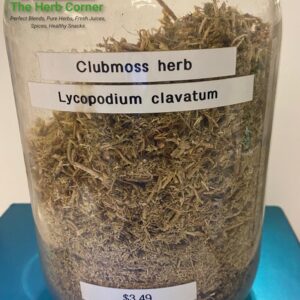
HerbsClubmoss Herb (Lycopodium clavatum)
Clubmoss herb (Lycopodium clavatum) is well known among herbalists for its traditional use as a urinary tract tonic and antispasmodic, historically used to relieve kidney and bladder disorders, ease muscle cramps, support digestive health, and address skin conditions such as eczema and wounds.
-
 Herbs
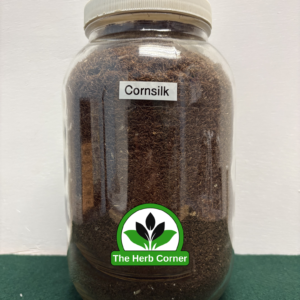
HerbsCornsilk (Zea mays)
div]:bg-bg-000/50 [&_pre>div]:border-0.5 [&_pre>div]:border-border-400 [&_.ignore-pre-bg>div]:bg-transparent [&_.standard-markdown_:is(p,blockquote,h1,h2,h3,h4,h5,h6)]:pl-2 [&_.standard-markdown_:is(p,blockquote,ul,ol,h1,h2,h3,h4,h5,h6)]:pr-8 [&_.progressive-markdown_:is(p,blockquote,h1,h2,h3,h4,h5,h6)]:pl-2 [&_.progressive-markdown_:is(p,blockquote,ul,ol,h1,h2,h3,h4,h5,h6)]:pr-8″> _]:min-w-0 gap-3 standard-markdown”> Cornsilk (Zea mays) is well known among herbalists for its soothing diuretic and demulcent properties, traditionally used to support kidney and urinary tract health, relieve bladder inflammation, ease painful urination, and aid the passage of kidney stones.
-
 Herbs
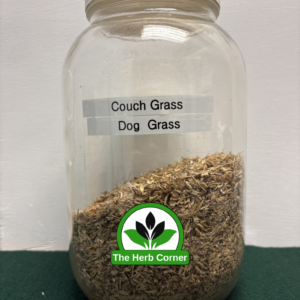
HerbsCouch Grass – Dog Grass (Agropyron repens)
Couch Grass—Dog Grass (Agropyron repens) is well known among herbalists for its soothing diuretic and demulcent properties, traditionally used to relieve urinary tract infections, ease inflammation of the bladder and kidneys, dissolve kidney stones, and gently cleanse and support overall urinary system health.
-
 Herbs
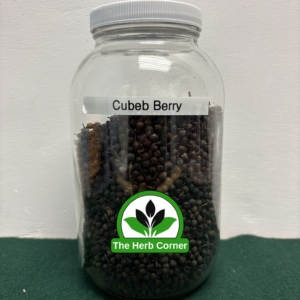
HerbsCubeb Berry (Piper cubeba)
Cubeb Berry (Piper cubeba) is well known among herbalists for its antiseptic, expectorant, and carminative properties, traditionally used to support urinary tract health, relieve respiratory congestion, ease digestive discomfort, and address inflammatory conditions of the mucous membranes.
-
 Herbs
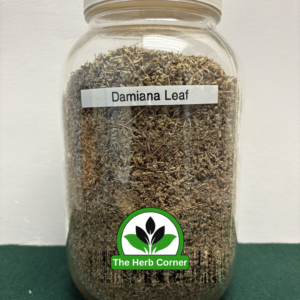
HerbsDamiana (Turnera diffusa)
Damiana (Turnera diffusa) is well known among herbalists for its renowned aphrodisiac and nervine tonic properties, traditionally used to enhance libido, support hormonal balance, relieve anxiety and depression, and restore vitality and energy, particularly in cases of sexual dysfunction and nervous exhaustion.
-
 Herbs
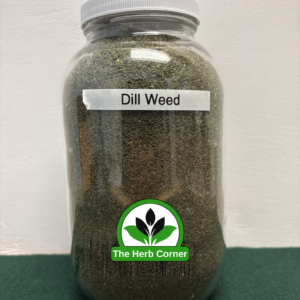
HerbsDill Weed (Anethum graveolens)
Dill Weed (Anethum graveolens) is well known among herbalists for its gentle carminative and diuretic properties, traditionally used to soothe digestive discomfort, reduce bloating and flatulence, support kidney function, calm nervous tension, and provide a mild antimicrobial action beneficial to overall digestive and urinary tract health.
-
 Herbs
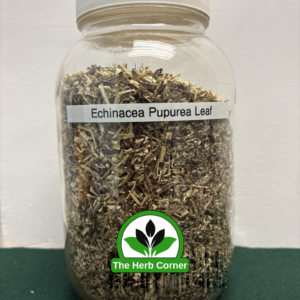
HerbsEchinacea Purpurea Herb
Echinacea Purpurea Herb (Echinacea purpurea) is well known among herbalists for its broad-spectrum immune-enhancing and anti-inflammatory properties, traditionally used to stimulate and modulate immune function, shorten the duration and severity of colds and upper respiratory infections, and support the body’s natural defenses against bacterial and viral pathogens.
-
 Herbs
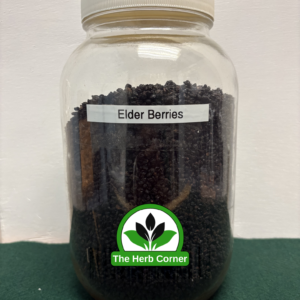
HerbsElder Berries (Sambucus nigra)
Elderberries (Sambucus nigra) are well known among herbalists for their exceptional immune-boosting and antiviral properties, traditionally used to prevent and shorten the duration of colds and influenza, provide powerful antioxidant protection through their rich anthocyanin content, and support overall respiratory and cardiovascular health.
-
 Herbs
HerbsEyebright (Euphrasia officinalis)
Eyebright (Euphrasia officinalis) is well known among herbalists for its remarkable affinity with the eyes and upper respiratory tract, traditionally used to relieve eye inflammation, conjunctivitis, and eye strain, reduce nasal congestion and sinusitis, and soothe the mucous membranes of the eyes and respiratory system.
-
 Herbs
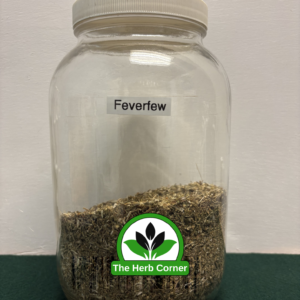
HerbsFeverfew Herb (Tanacetum parthenium)
Feverfew Herb (Tanacetum parthenium) is well known among herbalists for its potent anti-inflammatory and antispasmodic properties, traditionally used to prevent and reduce the frequency and severity of migraines and headaches; relieve fever and arthritis pain; and inhibit platelet aggregation through its active constituent, parthenolide.
-
 Herbs
HerbsFigwort Herb (Scrophularia nodosa)
Figwort Herb (Scrophularia nodosa) is well known among herbalists for its alterative and lymphatic properties, traditionally used to support the clearance of skin conditions such as eczema, psoriasis, and chronic eruptions; promote lymphatic drainage; support liver detoxification; and act as a gentle cardiac tonic to improve circulation.
-
 Herbs
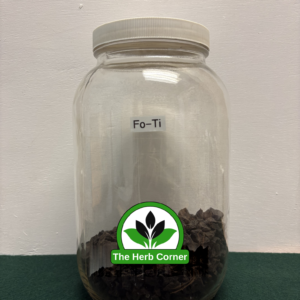
HerbsFo-Ti (Polygonum multiflorum)
Fo-ti (Polygonum multiflorum) is well known among herbalists for its legendary adaptogenic and tonic properties in Traditional Chinese Medicine, traditionally used to promote longevity, replenish vital essence, nourish liver and kidney function, strengthen the blood, enhance fertility, and support healthy hair, skin, and overall rejuvenation.
-
 Herbs
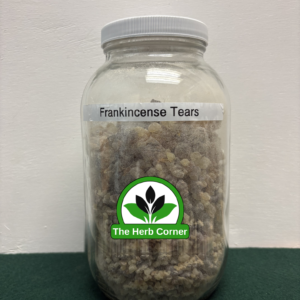
HerbsFrankincense Tears (Boswellia carteri)
Frankincense Tears (Boswellia carteri) is well known among herbalists for its sacred and time-honored anti-inflammatory, immunostimulant, and meditative properties, traditionally used across ancient Egyptian, Ayurvedic, and Middle Eastern healing traditions to support respiratory health, calm the nervous system, promote spiritual well-being, and provide powerful anti-inflammatory benefits through its rich, resinous boswellic acid content.
-
 Herbs
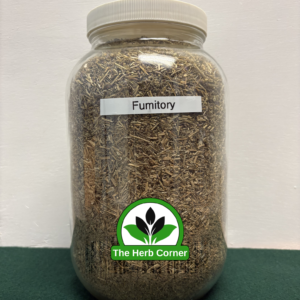
HerbsFumitory (Fumaria officinalis)
Fumitory (Fumaria officinalis) is well known among herbalists for its gentle hepatic, diuretic, and alterative properties, traditionally used to support liver and gallbladder function, regulate bile production, cleanse the blood, relieve chronic skin conditions such as eczema and psoriasis, and gently tone the digestive system.
-
 Herbs
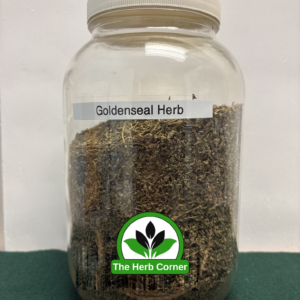
HerbsGoldenseal Herb (Hydrastis canadensis)
Goldenseal Herb (Hydrastis canadensis) is well known among herbalists for its potent antimicrobial, anti-inflammatory, and mucous membrane tonic properties, traditionally used to combat bacterial and fungal infections, soothe and heal inflamed mucous membranes throughout the body, support digestive and respiratory health, and stimulate immune function through its powerful alkaloid constituents, berberine and hydrastine.
-
 Herbs
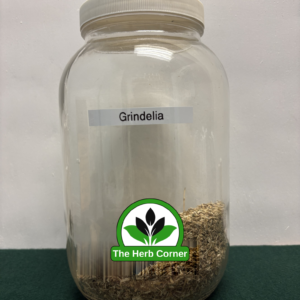
HerbsGrindelia (Grindelia squarrosa)
Grindelia (Grindelia squarrosa) is well known among herbalists for its potent expectorant, antispasmodic, and bronchodilating properties, traditionally used to relieve asthma, bronchitis, and whooping cough, soothe irritated respiratory passages, and applied topically to ease the discomfort of poison ivy, skin rashes, and insect bites.
-
 Herbs
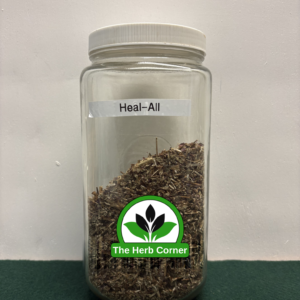
HerbsHeal-All (Prunella vulgaris)
Heal-All (Prunella vulgaris) is well known among herbalists for its broad-spectrum vulnerary, antimicrobial, and immune-supporting properties, traditionally used to accelerate wound healing, relieve sore throats and mouth ulcers, support liver health, and provide potent antiviral and antioxidant benefits through its rich rosmarinic acid and flavonoid content.
-
 Herbs
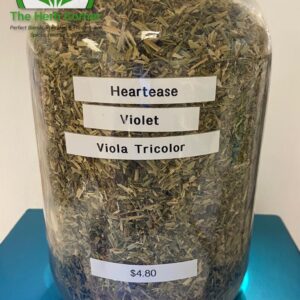
HerbsHeartease Violet (Viola tricolor)
Heartsease Violet (Viola tricolor) is well known among herbalists for its gentle anti-inflammatory, expectorant, and alterative properties, traditionally used to relieve skin conditions such as eczema and psoriasis, soothe respiratory congestion and coughs, support urinary tract health, and gently cleanse the blood and lymphatic system.
-
 Herbs
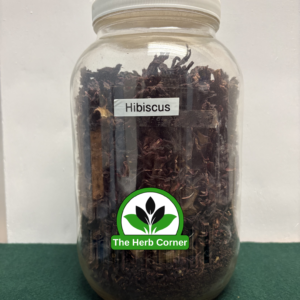
HerbsHibiscus (Hibiscus sabdariffa)
Hibiscus (Hibiscus sabdariffa) is well known among herbalists for its potent antioxidant, diuretic, and cardiovascular-supportive properties, traditionally used to lower blood pressure, reduce cholesterol, support kidney health, relieve fluid retention, and provide a rich source of anthocyanins and vitamin C that promote overall immune and circulatory health.
-
 Herbs
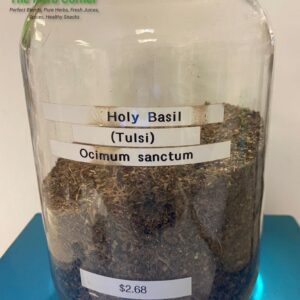
HerbsHoly Basil (Tulsi) (Ocimum sanctum)
Holy Basil – Tulsi (Ocimum sanctum) is well known among herbalists for its revered adaptogenic and rasayana properties in Ayurvedic medicine, traditionally used to reduce stress and anxiety, support immune function, balance blood sugar levels, promote respiratory health, and uplift mental clarity and spiritual well-being, earning it the sacred title of “Queen of Herbs” in Indian tradition.
-
 Herbs
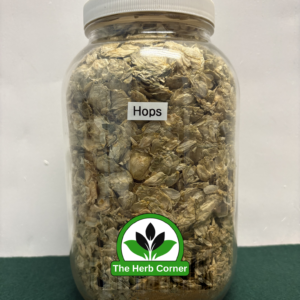
HerbsHops (Humulus lupulus)
Hops (Humulus lupulus) is well known among herbalists for its potent sedative and nervine properties, traditionally used to relieve anxiety, restlessness, and insomnia, ease digestive tension and cramping, reduce inflammation, and support the nervous system, with its primary active constituent methylbutenol being particularly valued for its calming and sleep-promoting effects.
-
 Herbs
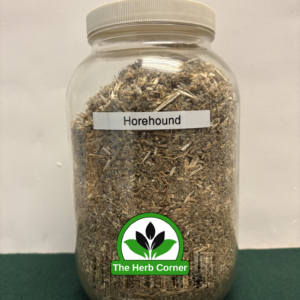
HerbsHorehound (Marrubium vulgare)
Horehound (Marrubium vulgare) is well known among herbalists for its powerful expectorant and antispasmodic properties, traditionally used to relieve coughs, bronchitis, and respiratory congestion, stimulate bile production and digestive function, and soothe irritated mucous membranes of the throat and lungs, making it one of the oldest and most widely used herbal cough remedies in Western herbal medicine.
-
 Herbs
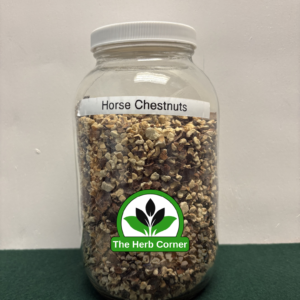
HerbsHorse Chestnuts (Aesculus hippocastanum)
Horse Chestnut (Aesculus hippocastanum) is well known among herbalists for its powerful venotonic and anti-inflammatory properties, traditionally used to strengthen and tone blood vessel walls, relieve chronic venous insufficiency, reduce varicose veins, ease hemorrhoids, and decrease swelling and fluid retention in the lower limbs through its primary active constituent aescin.
-
 Herbs
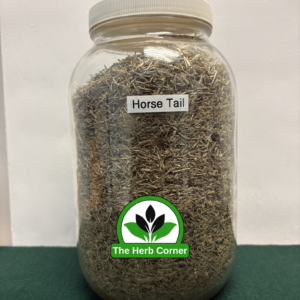
HerbsHorsetail (Shavegrass) (Equisetum hyemale)
Horsetail – Shavegrass (Equisetum hyemale) is well known among herbalists for its exceptional silica content and diuretic properties, traditionally used to strengthen connective tissue, support healthy hair, skin, nails, and bones, promote kidney and urinary tract health, accelerate wound healing, and provide a rich source of minerals essential for overall structural integrity of the body.
-
 Herbs
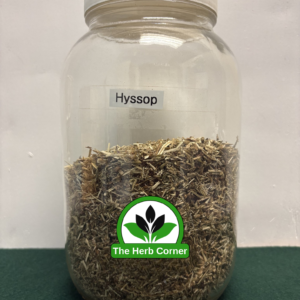
HerbsHyssop Herb (Hyssopus officinalis)
Hyssop Herb (Hyssopus officinalis) is well known among herbalists for its versatile expectorant, antispasmodic, and antiviral properties, traditionally used to relieve coughs, bronchitis, and respiratory congestion, soothe digestive discomfort and bloating, support nervous system health, and provide antimicrobial benefits, with a long history of sacred and medicinal use dating back to ancient Greek and Hebrew traditions.
-
 Herbs
HerbsKnotgrass Herb (Polygonum aviculare)
Knotgrass Herb (Polygonum aviculare) is well known among herbalists for its astringent, diuretic, and antilithic properties, traditionally used to support kidney and urinary tract health, relieve urinary infections and kidney stones, ease respiratory congestion, promote wound healing, and provide a rich source of silica for strengthening connective tissue and overall structural health.
-
 Herbs
HerbsLavender (Lavandula angustifolia)
Lavender (Lavandula angustifolia) is well known among herbalists for its exceptional calming and nervine properties, traditionally used to relieve anxiety, stress, and insomnia, ease headaches and migraines, provide gentle antispasmodic relief for digestive discomfort, and offer broad-spectrum antimicrobial and wound-healing benefits both internally and when applied topically or used in aromatherapy.
-
 Herbs
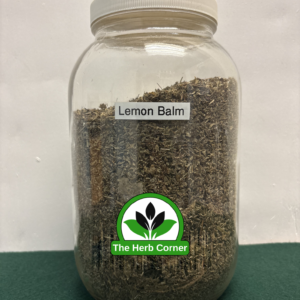
HerbsLemon Balm (Melissa officinalis)
Lemon Balm (Melissa officinalis) is well known among herbalists for its gentle yet effective calming and antiviral properties, traditionally used to relieve anxiety, nervous tension, and insomnia, soothe digestive upset and cramping, combat herpes simplex virus topically, and uplift mood and cognitive function, earning it a longstanding reputation as one of the most versatile and beloved nervine herbs in Western herbal medicine.
-
 Herbs
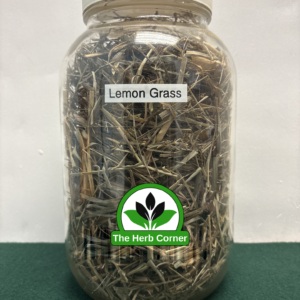
HerbsLemon Grass (Cymbopogon citratus)
Lemongrass (Cymbopogon citratus) is well known among herbalists for its aromatic, antimicrobial, and digestive-supportive properties, traditionally used to relieve digestive discomfort, reduce fever, ease muscle pain and inflammation, support healthy cholesterol levels, calm nervous tension, and provide broad-spectrum antifungal and antibacterial benefits through its rich essential oil content.
-
 Herbs
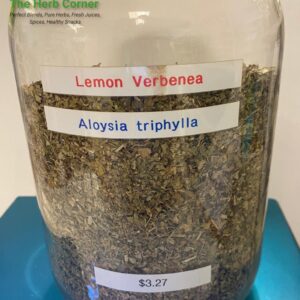
HerbsLemon Verbena (Aloysia triphylla)
Lemon Verbena (Aloysia triphylla) is well known among herbalists for its gentle carminative, nervine, and anti-inflammatory properties, traditionally used to relieve digestive discomfort, bloating, and spasms, calm anxiety and nervous tension, reduce fever, support respiratory health, and provide potent antioxidant protection through its rich verbascoside and flavonoid content.
-
 Herbs
HerbsLobelia (Lobelia inflata)
Lobelia (Lobelia inflata) is well known among herbalists for its powerful antispasmodic and bronchodilating properties, traditionally used to relieve asthma, bronchitis, and severe respiratory congestion, ease muscle tension and spasms, support smoking cessation, and act as a powerful relaxant nervine, though it is used with great caution and in carefully measured doses due to its potent alkaloid lobeline content and narrow therapeutic window.
-
 Herbs
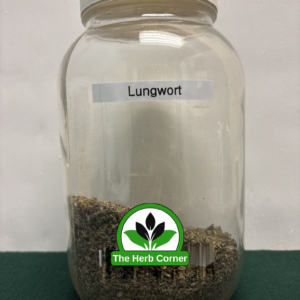
HerbsLungwort (Pulmonaria officinalis)
Lungwort (Pulmonaria officinalis) is well known among herbalists for its affinity with the respiratory system, traditionally used to soothe and heal inflamed and irritated lung tissue, relieve coughs, bronchitis, and respiratory congestion, support the healing of mucous membranes, and provide gentle expectorant and demulcent benefits for overall respiratory health.
-
 Herbs
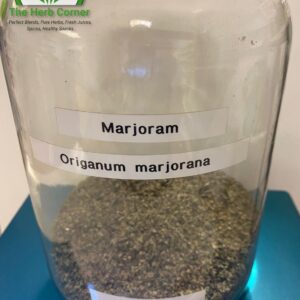
HerbsMarjoram (Origanum majorana)
Marjoram (Origanum majorana) is well known among herbalists for its warming, carminative, and nervine properties, traditionally used to relieve digestive discomfort, bloating, and spasms, ease anxiety, grief, and nervous tension, support respiratory health, promote restful sleep, and provide gentle antimicrobial and antioxidant benefits through its rich essential oil content.
-
 Herbs
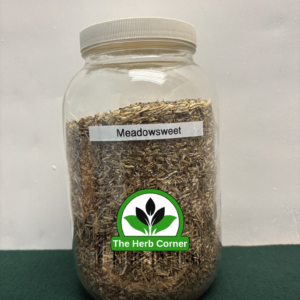
HerbsMeadowsweet (Filipendula ulmaria)
Meadowsweet (Filipendula ulmaria) is well known among herbalists for its remarkable digestive and anti-inflammatory properties, traditionally used to relieve gastric ulcers, heartburn, and digestive inflammation, ease joint and muscle pain, reduce fever, and provide gentle analgesic benefits through its natural salicylate compounds, earning it historical significance as one of the primary botanical sources that inspired the development of aspirin.
-
 Herbs
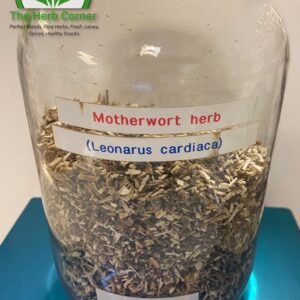
HerbsMotherwort Herb (Leonurus cardiaca)
Motherwort Herb (Leonurus cardiaca) is well known among herbalists for its powerful cardiotonic and uterine tonic properties, traditionally used to calm heart palpitations and anxiety, support healthy cardiovascular function, regulate and stimulate delayed or suppressed menstruation, ease menstrual cramping and menopausal symptoms, and provide gentle nervine relief for stress-related conditions, though it is avoided during pregnancy due to its strong stimulating action on the uterus.
-
 Herbs
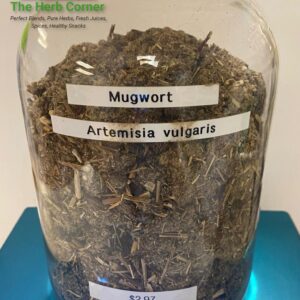
HerbsMugwort Herb (Artemisia vulgaris)
Mugwort (Artemisia vulgaris) is well known among herbalists for its emmenagogue, digestive, and nervine properties, traditionally used to stimulate and regulate menstruation, support healthy digestion through its bitter tonic action, promote vivid dreaming and lucid dream states, relieve anxiety and nervous tension, and provide broad-spectrum antimicrobial and antiparasitic benefits through its rich volatile oil content.
-
 Herbs
HerbsMyrrh Gum (Commiphora molmol)
Myrrh Gum (Commiphora molmol) is well known among herbalists for its potent antimicrobial, astringent, and vulnerary properties, traditionally used across ancient Egyptian, Ayurvedic, and Middle Eastern healing traditions to heal wounds and ulcers, combat oral infections and gum disease, support respiratory health, stimulate immune function, and provide powerful anti-inflammatory and antifungal benefits through its rich resinous terpenoid compounds.
-
 Herbs
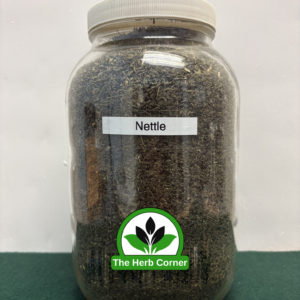
HerbsNettle (Urtica dioica)
Nettle (Urtica dioica) is well known among herbalists for its exceptional nutritive, diuretic, and anti-inflammatory properties, traditionally used to relieve seasonal allergies and hay fever, support kidney and urinary tract health, ease arthritic and rheumatic pain, promote healthy iron levels and combat anemia, and provide one of the most mineral-rich and nourishing botanical tonics available in Western herbal medicine.
-
 Herbs
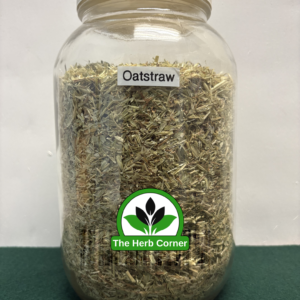
HerbsOatstraw (Avena sativa)
Oatstraw (Avena sativa) is well known among herbalists for its deeply nourishing and restorative nervine properties, traditionally used to rebuild and strengthen the nervous system, relieve chronic stress, anxiety, and nervous exhaustion, support healthy cognitive function, promote restful sleep, and provide a rich source of bioavailable calcium, magnesium, and silica for overall structural and neurological health.
-
 Herbs
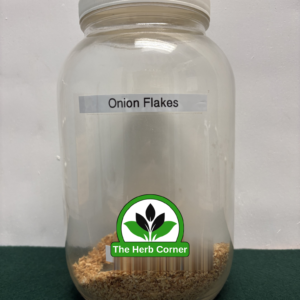
HerbsOnion Flake
Onion Flake (Allium cepa) is well known among herbalists for its potent antimicrobial, anti-inflammatory, and cardiovascular-supportive properties, traditionally used to support immune function, reduce blood pressure and cholesterol, relieve respiratory congestion, provide prebiotic benefits for healthy gut flora, and offer broad-spectrum antioxidant protection through its rich quercetin and sulfur compound content.
-
 Herbs
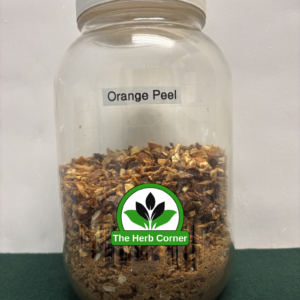
HerbsOrange Peel (Citrus aurantium)
Orange Peel (Citrus aurantium) is well known among herbalists for its aromatic carminative and bitter tonic properties, traditionally used to stimulate digestive secretions, relieve bloating, nausea, and indigestion, support healthy liver and gallbladder function, uplift mood and ease nervous tension, and provide a rich source of bioflavonoids and volatile oils that offer antioxidant and circulatory-supportive benefits.
-
 Herbs
HerbsOregano (Origanum vulgare)
Oregano (Origanum vulgare) is well known among herbalists for its exceptional antimicrobial, antifungal, and antioxidant properties, traditionally used to combat bacterial, viral, and fungal infections; support respiratory and digestive health; relieve bloating and intestinal discomfort; and provide one of the most potent naturally occurring sources of phenolic compounds, particularly carvacrol and thymol, making it a highly valued broad-spectrum antimicrobial herb in both culinary and medicinal traditions.
-
 Herbs
HerbsParsley Flakes (Petroselinum crispum)
Parsley Flakes (Petroselinum crispum) is well known among herbalists for its potent diuretic, carminative, and nutritive properties, traditionally used to support kidney and urinary tract health, relieve fluid retention and bloating, freshen breath, provide a rich source of vitamins C and K and iron, and offer gentle uterine-stimulating benefits, though it is used with caution during pregnancy due to its apiol content in concentrated medicinal doses.
-
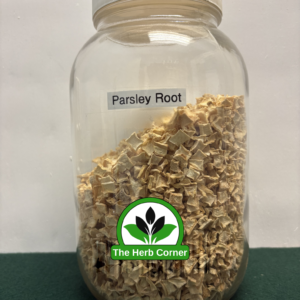 Herbs
HerbsParsley Root (Petroselinum crispum)
Parsley Root (Petroselinum crispum) is well known among herbalists for its powerful diuretic and kidney-supportive properties, traditionally used to relieve urinary tract infections, dissolve kidney stones and gravel, reduce fluid retention, support healthy liver function, ease rheumatic and arthritic conditions through its cleansing action on the urinary system, and provide a concentrated source of essential oils and flavonoids with broad-spectrum anti-inflammatory benefits.
-
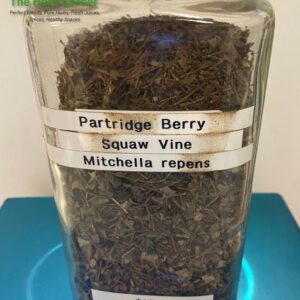 Herbs
HerbsPartridge Berry (Mitchella repens)
Partridgeberry – Squaw Vine (Mitchella repens) is well known among herbalists for its remarkable affinity with the female reproductive system, traditionally used by Native American peoples as a premier uterine tonic to prepare the womb for childbirth, regulate menstrual cycles, relieve menstrual cramping and pelvic congestion, and support overall reproductive health, though it is used with caution during early pregnancy.
-
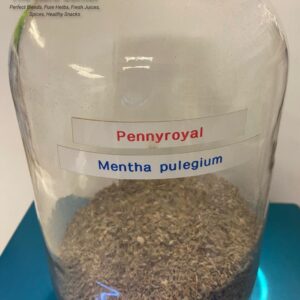 Herbs
HerbsPennyroyal (Mentha pulegium)
Pennyroyal (Mentha pulegium) is well known among herbalists for its potent emmenagogue, carminative, and insect-repelling properties, traditionally used to stimulate and regulate menstruation, relieve digestive discomfort and flatulence, ease respiratory congestion, and serve as a natural insect repellent, though it is used with extreme caution and strictly avoided during pregnancy due to its highly toxic pulegone content, which can cause severe liver damage and uterine hemorrhage in concentrated doses.
-
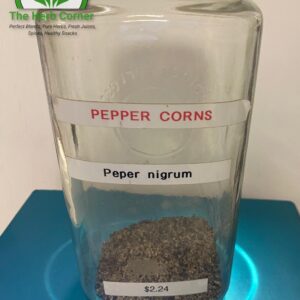 Herbs
HerbsPepper Corns (Piper nigrum)
Peppercorns (Piper nigrum) are well known among herbalists for their warming, carminative, and bioavailability-enhancing properties, traditionally used to stimulate digestive secretions, relieve gas and bloating, improve circulation, provide antimicrobial benefits, and significantly enhance the absorption and effectiveness of other herbs and nutrients, particularly curcumin, through their primary active constituent piperine.
-
 Herbs
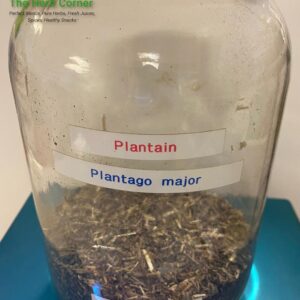
HerbsPlantain Herb (Plantago major)
Plantain Herb (Plantago major) is well known among herbalists for its remarkable vulnerary, demulcent, and anti-inflammatory properties, traditionally used to soothe and heal irritated mucous membranes, relieve respiratory congestion and coughs, accelerate wound healing and draw out splinters and insect venom topically, support digestive health, and provide gentle diuretic and alterative benefits for overall systemic cleansing.
-
 Herbs
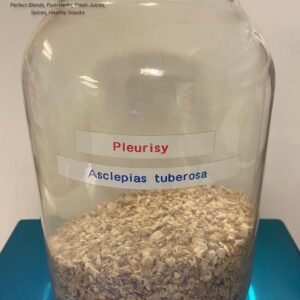
HerbsPleurisy Root (Asclepias tuberosa)
Pleurisy Root (Asclepias tuberosa) is well known among herbalists for its exceptional affinity with the respiratory system, traditionally used by Native American peoples to relieve pleurisy, pneumonia, bronchitis, and deep respiratory inflammation, promote expectoration of mucus, reduce fever through its diaphoretic action, and ease painful breathing and chest congestion, making it one of the most highly regarded respiratory herbs in Native American and Eclectic herbal medicine.
-
 Herbs
HerbsRed Clover (Trifolium pratense)
Red Clover (Trifolium pratense) is well known among herbalists for its rich isoflavone content and alterative properties, traditionally used to relieve menopausal symptoms such as hot flashes and night sweats, support hormonal balance through its phytoestrogenic activity, purify the blood and lymphatic system, ease chronic skin conditions, and provide antioxidant and cardiovascular-supportive benefits through its concentrated flavonoid compounds.
-
 Herbs
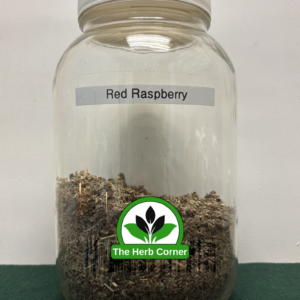
HerbsRed Raspberry (Rubus idaeus)
Red Raspberry (Rubus idaeus) is well known among herbalists for its revered status as a premier female tonic herb, traditionally used to strengthen and tone the uterus, regulate menstrual cycles, relieve menstrual and labor pain, support healthy pregnancy and postpartum recovery, and provide an exceptionally rich source of vitamins, minerals, and antioxidants that nourish and support overall reproductive and systemic health.
-
 Herbs
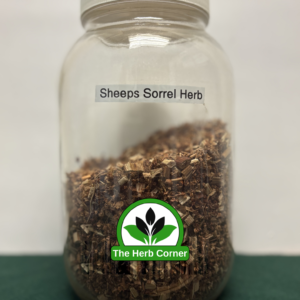
HerbsSheep Sorrel Herb (Rumex acetosella)
Sheep Sorrel Herb (Rumex acetosella) is well known among herbalists for its potent diuretic, alterative, and antioxidant properties, traditionally used to purify the blood, support kidney and urinary tract health, relieve chronic skin conditions, provide cooling and anti-inflammatory benefits, and serve as a key ingredient in the renowned Essiac tea formula, where it is valued for its rich anthraquinone and flavonoid content and its potential immune-supportive and anti-tumor properties.
-
 Herbs
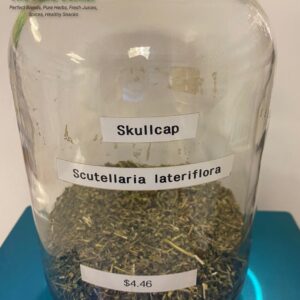
HerbsSkullcap (Scutellaria lateriflora)
Skullcap (Scutellaria lateriflora) is well known among herbalists for its exceptional nervine tonic and antispasmodic properties, traditionally used to calm and restore the nervous system, relieve anxiety, nervous tension, and insomnia, ease muscle spasms and tension headaches, support recovery from nervous exhaustion and hysteria, and provide gentle yet effective neuroprotective benefits through its rich flavonoid content, particularly baicalin, making it one of the most trusted and widely used nervine herbs in Western herbal medicine.
-
 Herbs
HerbsSummer Savory (Satureja hortensis)
Summer Savory (Satureja hortensis) is well known among herbalists for its reliable carminative, antimicrobial, and expectorant properties, traditionally used to relieve digestive discomfort, gas, and bloating, combat intestinal parasites and infections, ease respiratory congestion, and provide gentle astringent and antioxidant benefits through its rich carvacrol and thymol volatile oil content.
-
 Herbs
HerbsUsnea Lichen Whole (Usnea barbata)
Usnea Lichen Whole (Usnea barbata) is well known among herbalists for its potent antimicrobial and immune-enhancing properties, traditionally used to combat bacterial, viral, and fungal infections, support respiratory and urinary tract health, relieve sore throats and upper respiratory infections, and provide broad-spectrum antibiotic-like benefits through its primary active constituent usnic acid, making it one of the most valued and effective natural antimicrobial botanicals in Western herbal medicine.
-
 Herbs
HerbsWild Lettuce Herb (Lactuca canadensis)
Wild Lettuce Herb (Lactuca canadensis) is well known among herbalists for its gentle sedative and analgesic properties, traditionally used to relieve pain, anxiety, and restlessness, ease dry and spasmodic coughs, promote restful sleep, and provide mild opium-like calming effects through its primary active constituent lactucarium, earning it the traditional nickname “poor man’s opium” while being considered a safe and non-addictive alternative for pain relief and nervous system support.
-
 Herbs
HerbsWood Betony (Stachys officinalis)
Wood Betony (Stachys betonica) is well known among herbalists for its gentle nervine and digestive tonic properties, traditionally used to relieve anxiety, nervous tension, and stress-related headaches, support healthy digestion through its bitter stimulating action, ease neuralgia and facial pain, promote grounding and mental clarity, and provide gentle sedative benefits for nervous system exhaustion, making it a highly regarded and versatile nervine herb in both traditional European and Western herbal medicine.
-
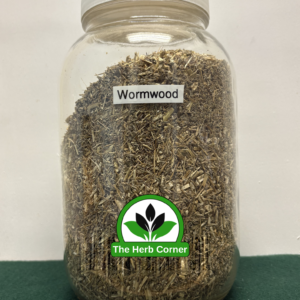 Herbs
HerbsWormwood (Artemisia absinthium)
Wormwood is an intensely bitter, aromatic herb traditionally valued in European and Mediterranean herbalism and commonly used in herbal bitters and botanical preparations.
