
Showing 101–200 of 570 results
-
 Herbs
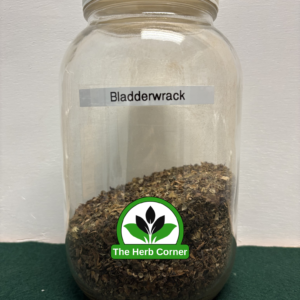
HerbsBladderwrack (Fucus vesiculosus)
Bladderwrack (Fucus spp.) is traditionally known for its natural iodine content and has been used to support thyroid function, metabolism, and overall mineral nourishment.
-
 Uncategorized
Bladderwrack (Fucus vesiculosus)
Bladderwrack (Fucus spp.) is traditionally known for its natural iodine content and has been used to support thyroid function, metabolism, and overall mineral nourishment.
-
 Herbs
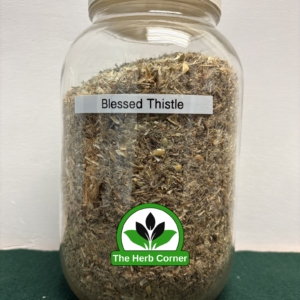
HerbsBlessed Thistle (Cnicus benedictus)
Blessed Thistle (Cnicus benedictus) is traditionally known for its bitter compounds that help stimulate digestion, support liver function, and promote appetite.
-
Uncategorized
Blessed Thistle (Cnicus benedictus)
Blessed Thistle (Cnicus benedictus) is traditionally known for its bitter compounds that help stimulate digestion, support liver function, and promote appetite.
-
 Herb Powder
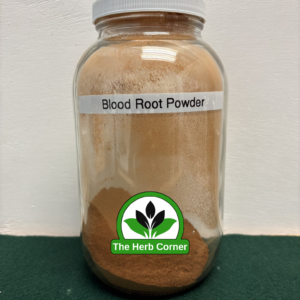
Blood Root Powder (Sanguinaria canadensis)
Blood Root Powder (Sanguinaria canadensis) is traditionally known for its strong alkaloid compounds and has been used historically in topical preparations and in small amounts to support respiratory and immune health.
-
Uncategorized
Blood Root Powder (Sanguinaria canadensis)
Blood Root Powder (Sanguinaria canadensis) is traditionally known for its strong alkaloid compounds and has been used historically in topical preparations and in small amounts to support respiratory and immune health.
-
 Herb Powder
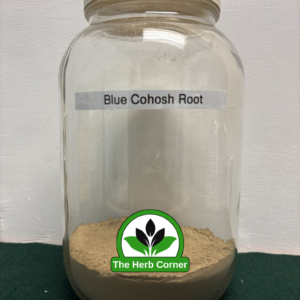
Blue Cohosh Root (Caulophyllum thalictroides)
]:pointer-events-auto scroll-mt-(–header-height)” dir=”auto” data-turn-id=”6e88292f-6a2a-45ac-a275-cd6c0f8378a0″ data-testid=”conversation-turn-11″ data-scroll-anchor=”false” data-turn=”user”> ]:pointer-events-auto scroll-mt-[calc(var(–header-height)+min(200px,max(70px,20svh)))]” dir=”auto” data-turn-id=”request-WEB:8ec3fb93-f459-48f0-8319-c8b1210a374a-5″ data-testid=”conversation-turn-12″ data-scroll-anchor=”true” data-turn=”assistant”> Blue Cohosh Root (Caulophyllum thalictroides) is traditionally known for its use in women’s herbal medicine, particularly to support menstrual health and to prepare the body for childbirth.
-
Uncategorized
Blue Cohosh Root (Caulophyllum thalictroides)
]:pointer-events-auto scroll-mt-(–header-height)” dir=”auto” data-turn-id=”6e88292f-6a2a-45ac-a275-cd6c0f8378a0″ data-testid=”conversation-turn-11″ data-scroll-anchor=”false” data-turn=”user”> ]:pointer-events-auto scroll-mt-[calc(var(–header-height)+min(200px,max(70px,20svh)))]” dir=”auto” data-turn-id=”request-WEB:8ec3fb93-f459-48f0-8319-c8b1210a374a-5″ data-testid=”conversation-turn-12″ data-scroll-anchor=”true” data-turn=”assistant”> Blue Cohosh Root (Caulophyllum thalictroides) is traditionally known for its use in women’s herbal medicine, particularly to support menstrual health and to prepare the body for childbirth.
-
 Herb Leaf
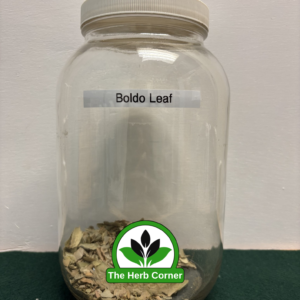
Boldo Leaf (Peumus boldus)
Boldo Leaf (Peumus boldus) is traditionally known for its bitter, aromatic compounds that support liver function, stimulate bile flow, and aid digestion.
-
Uncategorized
Boldo Leaf (Peumus boldus)
Boldo Leaf (Peumus boldus) is traditionally known for its bitter, aromatic compounds that support liver function, stimulate bile flow, and aid digestion.
-
 Herb Bark
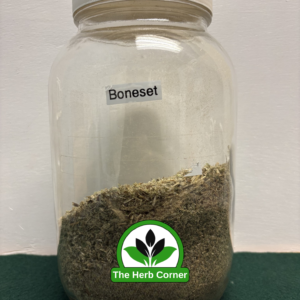
Boneset (Eupatorium perfoliatum)
Boneset (Eupatorium perfoliatum) is traditionally known for its use in supporting the immune system and helping the body manage fevers, colds, and flu-like symptoms.
-
Uncategorized
Boneset (Eupatorium perfoliatum)
Boneset (Eupatorium perfoliatum) is traditionally known for its use in supporting the immune system and helping the body manage fevers, colds, and flu-like symptoms.
-
 Herbs
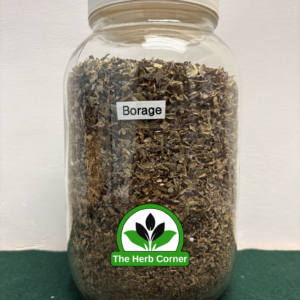
HerbsBorage (Borago officinalis)
Borage (Borago officinalis) is traditionally known for its cooling and anti-inflammatory properties and has been used to support skin health, adrenal function, and overall vitality.
-
Uncategorized
Borage (Borago officinalis)
Borage (Borago officinalis) is traditionally known for its cooling and anti-inflammatory properties and has been used to support skin health, adrenal function, and overall vitality.
-
 Herbs
HerbsBuckthorn (Rhamnus frangula)
Buckthorn (Rhamnus frangula) is traditionally known for its natural laxative compounds that help stimulate bowel movements and support relief from occasional constipation.
-
Uncategorized
Buckthorn (Rhamnus frangula)
Buckthorn (Rhamnus frangula) is traditionally known for its natural laxative compounds that help stimulate bowel movements and support relief from occasional constipation.
-
 Herb Root
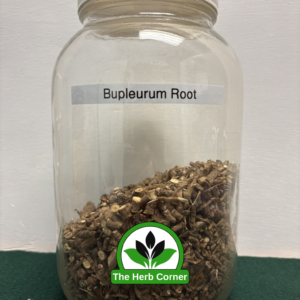
Bupleurum Root, Chai Hu (Bupleurum chinense)
Bupleurum Root (Chai Hu, Bupleurum Radix Chinensis) is known for its use in Traditional Chinese Medicine as a premier herb for smoothing liver qi stagnation, reducing fever, and raising yang energy, making it a key ingredient in formulas for harmonizing the liver and spleen.
-
Uncategorized
Bupleurum Root, Chai Hu (Bupleurum chinense)
Bupleurum Root (Chai Hu, Bupleurum Radix Chinensis) is known for its use in Traditional Chinese Medicine as a premier herb for smoothing liver qi stagnation, reducing fever, and raising yang energy, making it a key ingredient in formulas for harmonizing the liver and spleen.
-
 Herb Powder
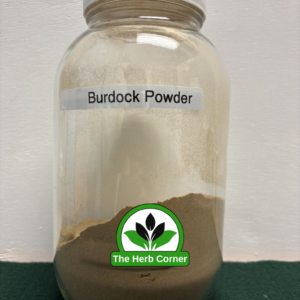
Burdock Powder (Arctium lappa)
A nutrient-rich root from a plant used across European, Chinese, and Ayurvedic traditions. One of naturopathy’s finest blood-purifying and lymphatic herbs, equally valued as a prebiotic food and a gentle long-term detoxification tonic.
-
Uncategorized
Burdock Powder (Arctium lappa)
A nutrient-rich root from a plant used across European, Chinese, and Ayurvedic traditions. One of naturopathy’s finest blood-purifying and lymphatic herbs, equally valued as a prebiotic food and a gentle long-term detoxification tonic.
-
 Herb Root
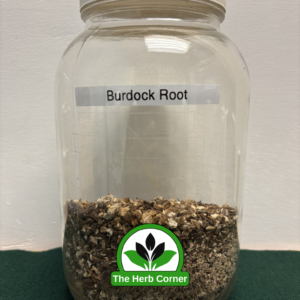
Burdock Root (Arctium lappa)
Burdock Root (Arctium lappa) is known for its powerful blood-purifying and detoxifying properties, particularly its ability to support liver function, promote lymphatic drainage, and clear heat and toxins from the skin, making it a staple herb for addressing chronic skin conditions such as eczema, psoriasis, and acne.
-
Uncategorized
Burdock Root (Arctium lappa)
Burdock Root (Arctium lappa) is known for its powerful blood-purifying and detoxifying properties, particularly its ability to support liver function, promote lymphatic drainage, and clear heat and toxins from the skin, making it a staple herb for addressing chronic skin conditions such as eczema, psoriasis, and acne.
-
 Herbs
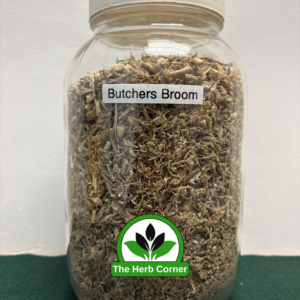
HerbsButcher’s Broom (Ruscus aculeatus)
Butcher’s Broom (Ruscus aculeatus) is known for its ability to tone and strengthen veins and capillaries, making it a highly regarded herb for improving circulation and relieving conditions such as chronic venous insufficiency, varicose veins, and hemorrhoids.
-
Uncategorized
Butcher’s Broom (Ruscus aculeatus)
Butcher’s Broom (Ruscus aculeatus) is known for its ability to tone and strengthen veins and capillaries, making it a highly regarded herb for improving circulation and relieving conditions such as chronic venous insufficiency, varicose veins, and hemorrhoids.
-
 Herb Powder
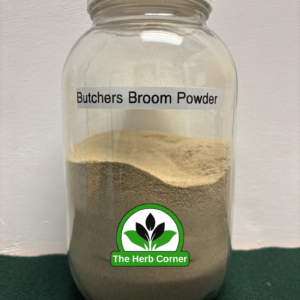
Butcher’s Broom Powder (Ruscus aculeatus)
A powdered extract from the roots and stems of a thorny Mediterranean shrub. One of the best-evidenced botanical medicines for venous health, with clinical trial support for chronic venous insufficiency, leg heaviness, and hemorrhoids.
-
Uncategorized
Butcher’s Broom Powder (Ruscus aculeatus)
A powdered extract from the roots and stems of a thorny Mediterranean shrub. One of the best-evidenced botanical medicines for venous health, with clinical trial support for chronic venous insufficiency, leg heaviness, and hemorrhoids.
-
 Herb Leaf
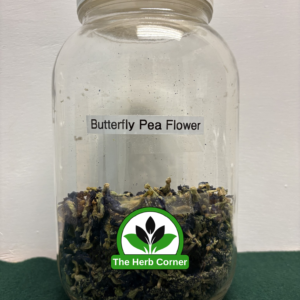
Butterfly Pea Flowers
Butterfly Pea Flowers (Clitoria ternatea) are known for their striking deep-blue pigment rich in anthocyanin antioxidants, traditionally used to support cognitive function, reduce inflammation, and promote healthy skin and hair, while also being celebrated for their unique pH-sensitive color-changing properties.
-
Uncategorized
Butterfly Pea Flowers
Butterfly Pea Flowers (Clitoria ternatea) are known for their striking deep-blue pigment rich in anthocyanin antioxidants, traditionally used to support cognitive function, reduce inflammation, and promote healthy skin and hair, while also being celebrated for their unique pH-sensitive color-changing properties.
-
 Herb Root
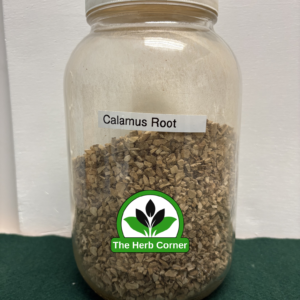
Calamus Root (Acorus calamus)
Calamus root (Acorus calamus) is valued as a potent aromatic bitter and carminative, traditionally used to stimulate digestion, relieve gas and bloating, and support nervous system function, while also serving as an expectorant for respiratory congestion.
-
Uncategorized
Calamus Root (Acorus calamus)
Calamus root (Acorus calamus) is valued as a potent aromatic bitter and carminative, traditionally used to stimulate digestion, relieve gas and bloating, and support nervous system function, while also serving as an expectorant for respiratory congestion.
-
 Herb Leaf
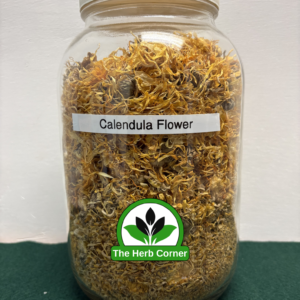
Calendula Flower (Calendula officinalis)
Calendula flower (Calendula officinalis) is treasured as a gentle yet powerful vulnerary and anti-inflammatory, renowned for its ability to soothe irritated skin, accelerate wound healing, and calm a wide range of inflammatory skin conditions.
-
Uncategorized
Calendula Flower (Calendula officinalis)
Calendula flower (Calendula officinalis) is treasured as a gentle yet powerful vulnerary and anti-inflammatory, renowned for its ability to soothe irritated skin, accelerate wound healing, and calm a wide range of inflammatory skin conditions.
-
 Herb Leaf
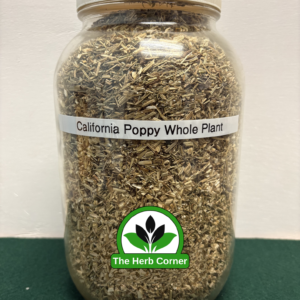
California Poppy Whole Plant (Eschscholzia californica)
California Poppy Whole Plant (Eschscholzia californica) is well known among herbalists for its gentle calming and sedative properties, commonly used to support relaxation, ease nervous tension, and promote restful sleep.
-
Uncategorized
California Poppy Whole Plant (Eschscholzia californica)
California Poppy Whole Plant (Eschscholzia californica) is well known among herbalists for its gentle calming and sedative properties, commonly used to support relaxation, ease nervous tension, and promote restful sleep.
-
 Herbs
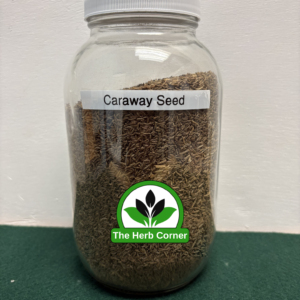
HerbsCaraway Seed (Carum carvi)
Caraway Seed (Carum carvi) is well known among herbalists for its powerful carminative properties, traditionally used to soothe digestive discomfort, relieve bloating and gas, and support overall gastrointestinal health.
-
Uncategorized
Caraway Seed (Carum carvi)
Caraway Seed (Carum carvi) is well known among herbalists for its powerful carminative properties, traditionally used to soothe digestive discomfort, relieve bloating and gas, and support overall gastrointestinal health.
-
 Herbs
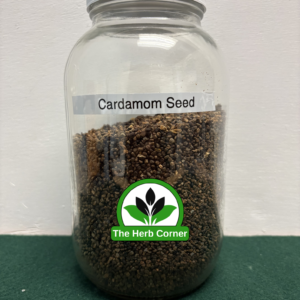
HerbsCardamom Seed (Elettaria cardamomum)
Cardamom Seed (Elettaria cardamomum) is well known among herbalists for its warming, aromatic, and carminative properties, traditionally used to aid digestion, freshen breath, and support respiratory and cardiovascular health.
-
Uncategorized
Cardamom Seed (Elettaria cardamomum)
Cardamom Seed (Elettaria cardamomum) is well known among herbalists for its warming, aromatic, and carminative properties, traditionally used to aid digestion, freshen breath, and support respiratory and cardiovascular health.
-
 Herb Powder
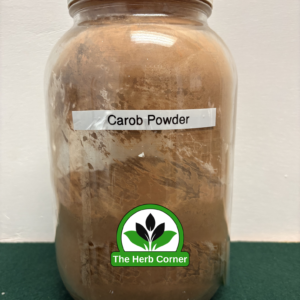
Carob Powder (Ceratonia siliqua)
Carob Powder (Ceratonia siliqua) is well known among herbalists for its gentle astringent and digestive properties, traditionally used as a soothing remedy for diarrhea, nausea, and stomach upset, while also serving as a nutritious, caffeine-free alternative to cocoa.
-
Uncategorized
Carob Powder (Ceratonia siliqua)
Carob Powder (Ceratonia siliqua) is well known among herbalists for its gentle astringent and digestive properties, traditionally used as a soothing remedy for diarrhea, nausea, and stomach upset, while also serving as a nutritious, caffeine-free alternative to cocoa.
-
 Herbs
HerbsCascara Sagrada (Rhamnus purshiana)
Cascara Sagrada (Rhamnus purshiana) is well known among herbalists for its potent stimulant laxative properties, traditionally used to relieve chronic constipation by promoting peristalsis and encouraging healthy bowel movements.
-
Uncategorized
Cascara Sagrada (Rhamnus purshiana)
Cascara Sagrada (Rhamnus purshiana) is well known among herbalists for its potent stimulant laxative properties, traditionally used to relieve chronic constipation by promoting peristalsis and encouraging healthy bowel movements.
-
 Herb Bark
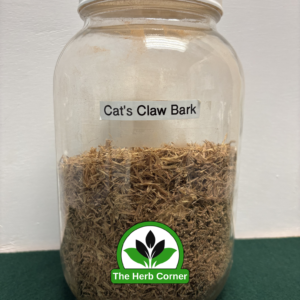
Cat’s Claw Bark (Uncaria tomentosa)
Cat’s Claw Bark (Uncaria tomentosa) is well known among herbalists for its potent anti-inflammatory and immune-modulating properties, and it is traditionally used by indigenous Amazonian peoples to support immune function, ease joint pain and arthritis, and promote overall systemic health.
-
Uncategorized
Cat’s Claw Bark (Uncaria tomentosa)
Cat’s Claw Bark (Uncaria tomentosa) is well known among herbalists for its potent anti-inflammatory and immune-modulating properties, and it is traditionally used by indigenous Amazonian peoples to support immune function, ease joint pain and arthritis, and promote overall systemic health.
-
 Herb Powder
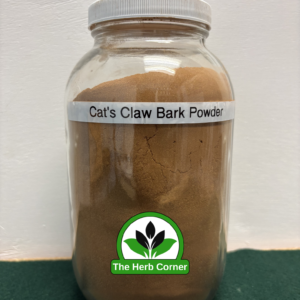
Cat’s Claw Bark Powder (Uncaria tomentosa)
Cat’s Claw Bark Powder (Uncaria tomentosa) is popular among herbalists for its strong ability to reduce inflammation and boost the immune system, and it has been traditionally used to support immune health, fight inflammation, and ease joint pain and digestive issues.
-
Uncategorized
Cat’s Claw Bark Powder (Uncaria tomentosa)
Cat’s Claw Bark Powder (Uncaria tomentosa) is popular among herbalists for its strong ability to reduce inflammation and boost the immune system, and it has been traditionally used to support immune health, fight inflammation, and ease joint pain and digestive issues.
-
 Herb Leaf
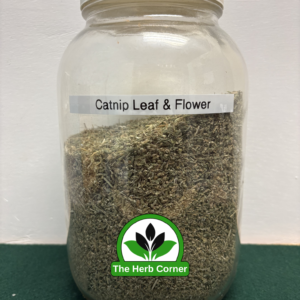
Catnip Leaf and Flower (Nepeta cataria)
Catnip Leaf and Flower (Nepeta cataria) is well known among herbalists for its gentle calming and antispasmodic properties, traditionally used to ease nervous tension, soothe digestive upset, reduce fevers, and promote restful sleep, particularly in children.
-
Uncategorized
Catnip Leaf and Flower (Nepeta cataria)
Catnip Leaf and Flower (Nepeta cataria) is well known among herbalists for its gentle calming and antispasmodic properties, traditionally used to ease nervous tension, soothe digestive upset, reduce fevers, and promote restful sleep, particularly in children.
-
 Herbs
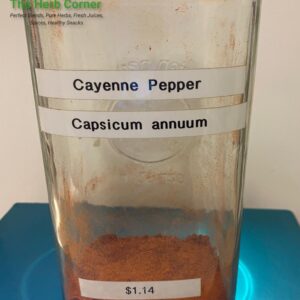
HerbsCayenne Pepper (Capsicum annuum)
Cayenne Pepper (Capsicum annuum) is popular with herbalists for its strong ability to boost circulation, and it has been traditionally used to improve blood flow, ease pain when applied to the skin, support digestive health, and help other herbs work better.
-
Uncategorized
Cayenne Pepper (Capsicum annuum)
Cayenne Pepper (Capsicum annuum) is popular with herbalists for its strong ability to boost circulation, and it has been traditionally used to improve blood flow, ease pain when applied to the skin, support digestive health, and help other herbs work better.
-
 Herbs
HerbsCelery Seed (Apium graveolens)
Celery Seed (Apium graveolens) is popular among herbalists for its ability to help the body eliminate excess water, reduce inflammation, and relieve gas. It has been traditionally used to support kidney health and ease joint pain and gout.
-
Uncategorized
Celery Seed (Apium graveolens)
Celery Seed (Apium graveolens) is popular among herbalists for its ability to help the body eliminate excess water, reduce inflammation, and relieve gas. It has been traditionally used to support kidney health and ease joint pain and gout.
-
 Herbs
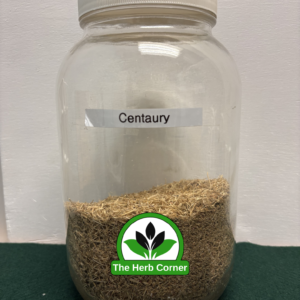
HerbsCentaury (Centaurium umbellatum)
Centaury (Centaurium umbellatum) is well known among herbalists for its potent bitter tonic properties, traditionally used to stimulate digestive function, improve appetite, support liver and gallbladder health, and relieve dyspepsia and sluggish digestion.
-
Uncategorized
Centaury (Centaurium umbellatum)
Centaury (Centaurium umbellatum) is well known among herbalists for its potent bitter tonic properties, traditionally used to stimulate digestive function, improve appetite, support liver and gallbladder health, and relieve dyspepsia and sluggish digestion.
-
 Herb Flower
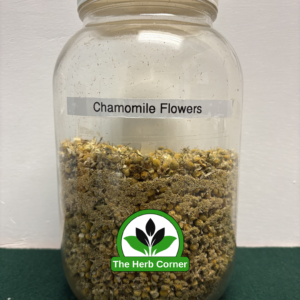
Chamomile Flowers (Matricaria chamomilla)
Chamomile Flowers (Matricaria chamomilla) is well known among herbalists for its gentle yet versatile calming, anti-inflammatory, and antispasmodic properties, traditionally used to soothe anxiety, relieve digestive upset, ease muscle tension, and promote restful sleep.
-
Uncategorized
Chamomile Flowers (Matricaria chamomilla)
Chamomile Flowers (Matricaria chamomilla) is well known among herbalists for its gentle yet versatile calming, anti-inflammatory, and antispasmodic properties, traditionally used to soothe anxiety, relieve digestive upset, ease muscle tension, and promote restful sleep.
-
 Herbs
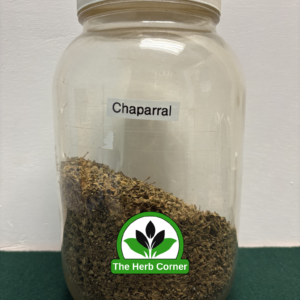
HerbsChaparral (Larrea tridentata)
Chaparral (Larrea tridentata) is well known among herbalists for its potent antioxidant, antimicrobial, and anti-inflammatory properties and was traditionally used by Native American peoples to support immune function, purify the blood, and address skin conditions. However, it is approached with caution due to concerns about liver toxicity with prolonged use.
-
Uncategorized
Chaparral (Larrea tridentata)
Chaparral (Larrea tridentata) is well known among herbalists for its potent antioxidant, antimicrobial, and anti-inflammatory properties and was traditionally used by Native American peoples to support immune function, purify the blood, and address skin conditions. However, it is approached with caution due to concerns about liver toxicity with prolonged use.
-
 Herbs
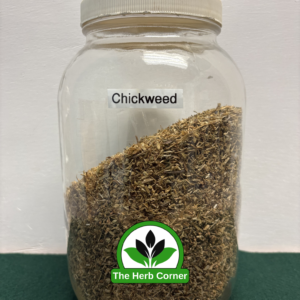
HerbsChickweed (Stellaria media)
Chickweed (Stellaria media) is well known among herbalists for its cooling, soothing, and anti-inflammatory properties, traditionally used to relieve itchy and irritated skin conditions, support respiratory health, and gently aid digestion and metabolism.
-
Uncategorized
Chickweed (Stellaria media)
Chickweed (Stellaria media) is well known among herbalists for its cooling, soothing, and anti-inflammatory properties, traditionally used to relieve itchy and irritated skin conditions, support respiratory health, and gently aid digestion and metabolism.
-
 Herb Root
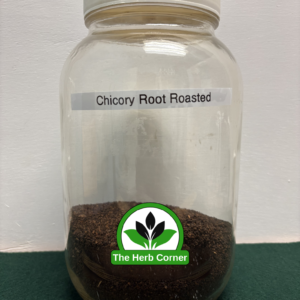
Chicory Root Roasted (Cichorium intybus)
Chicory Root Roasted (Cichorium intybus) is well known among herbalists for its prebiotic and bitter tonic properties, traditionally used to support liver and gallbladder function, promote healthy digestion, and serve as a popular caffeine-free coffee substitute that nourishes beneficial gut bacteria.
-
Uncategorized
Chicory Root Roasted (Cichorium intybus)
Chicory Root Roasted (Cichorium intybus) is well known among herbalists for its prebiotic and bitter tonic properties, traditionally used to support liver and gallbladder function, promote healthy digestion, and serve as a popular caffeine-free coffee substitute that nourishes beneficial gut bacteria.
-
 Herb Powder
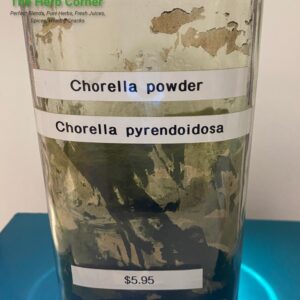
Chlorella Powder (Chlorella pyrenoidosa)
Chlorella Powder (Chlorella pyrenoidosa) is well known among herbalists for its powerful detoxifying and nutritive properties, traditionally used to support heavy metal detoxification, boost immune function, and provide a rich source of chlorophyll, protein, vitamins, and minerals for overall cellular health.
-
Uncategorized
Chlorella Powder (Chlorella pyrenoidosa)
Chlorella Powder (Chlorella pyrenoidosa) is well known among herbalists for its powerful detoxifying and nutritive properties, traditionally used to support heavy metal detoxification, boost immune function, and provide a rich source of chlorophyll, protein, vitamins, and minerals for overall cellular health.
-
 Herb Flower
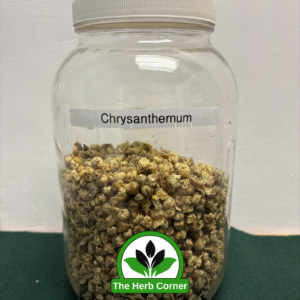
Chrysanthemum (Chrysanthemum morifolium)
Chrysanthemum (Chrysanthemum morifolium) is well known among herbalists for its cooling and anti-inflammatory properties, traditionally used in Chinese medicine to clear heat, relieve headaches and eye strain, calm liver energy, and support respiratory health.
-
Uncategorized
Chrysanthemum (Chrysanthemum morifolium)
Chrysanthemum (Chrysanthemum morifolium) is well known among herbalists for its cooling and anti-inflammatory properties, traditionally used in Chinese medicine to clear heat, relieve headaches and eye strain, calm liver energy, and support respiratory health.
-
 Herbs
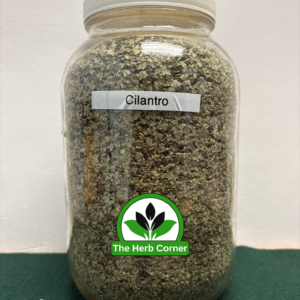
HerbsCilantro (Coriandrum sativum)
Cilantro (Coriandrum sativum) is well known among herbalists for its potent detoxifying and antimicrobial properties, traditionally used to support heavy metal chelation, aid digestion, reduce inflammation, and promote overall digestive and urinary tract health.
-
Uncategorized
Cilantro (Coriandrum sativum)
Cilantro (Coriandrum sativum) is well known among herbalists for its potent detoxifying and antimicrobial properties, traditionally used to support heavy metal chelation, aid digestion, reduce inflammation, and promote overall digestive and urinary tract health.
-
 Herbs
HerbsCinnamon Chips (Cinnamomum cassia)
Cinnamon Chips (Cinnamomum cassia) is well known among herbalists for its warming, antimicrobial, and blood sugar-regulating properties, traditionally used to support healthy glucose metabolism, improve circulation, aid digestion, and provide relief from colds and congestion.
-
Uncategorized
Cinnamon Chips (Cinnamomum cassia)
Cinnamon Chips (Cinnamomum cassia) is well known among herbalists for its warming, antimicrobial, and blood sugar-regulating properties, traditionally used to support healthy glucose metabolism, improve circulation, aid digestion, and provide relief from colds and congestion.
-
 Herb Powder
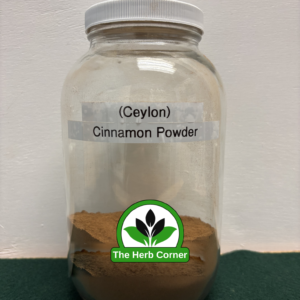
Cinnamon Powder (Cinnamomum verum) (Ceylon)
Cinnamon Powder (Cinnamomum verum) Ceylon is recognized by herbalists as the best and safest “true cinnamon,” valued for its mild warming and anti-inflammatory effects, commonly used to help control blood sugar, support heart health, improve digestion, and fight infections. It has less coumarin than cassia types, making it suitable for long-term use.
-
Uncategorized
Cinnamon Powder (Cinnamomum verum) (Ceylon)
Cinnamon Powder (Cinnamomum verum) Ceylon is recognized by herbalists as the best and safest “true cinnamon,” valued for its mild warming and anti-inflammatory effects, commonly used to help control blood sugar, support heart health, improve digestion, and fight infections. It has less coumarin than cassia types, making it suitable for long-term use.
-
 Herbs
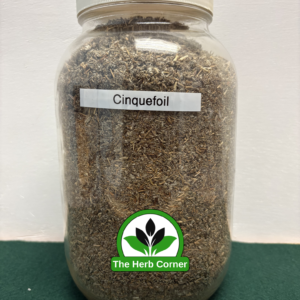
HerbsCinquefoil (Potentilla erecta)
Cinquefoil (Potentilla erecta) is well known among herbalists for its potent astringent and anti-inflammatory properties, traditionally used to tone and tighten mucous membranes, relieve diarrhea, soothe sore throats and mouth ulcers, and support wound healing.
-
Uncategorized
Cinquefoil (Potentilla erecta)
Cinquefoil (Potentilla erecta) is well known among herbalists for its potent astringent and anti-inflammatory properties, traditionally used to tone and tighten mucous membranes, relieve diarrhea, soothe sore throats and mouth ulcers, and support wound healing.
-
 Herbs
HerbsCleavers (Galium aparine)
Cleavers (Galium aparine) is well known among herbalists for its affinity with the lymphatic system, traditionally used as a gentle lymphatic tonic and diuretic to support the clearance of swollen lymph nodes, promote kidney and urinary tract health, and aid in the elimination of toxins from the body.
-
Uncategorized
Cleavers (Galium aparine)
Cleavers (Galium aparine) is well known among herbalists for its affinity with the lymphatic system, traditionally used as a gentle lymphatic tonic and diuretic to support the clearance of swollen lymph nodes, promote kidney and urinary tract health, and aid in the elimination of toxins from the body.
-
 Herbs
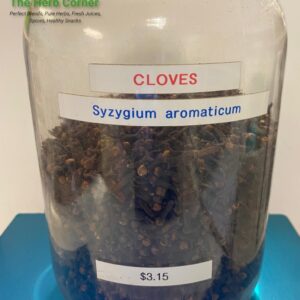
HerbsCloves (Syzygium aromaticum)
Cloves (Syzygium aromaticum) are well known among herbalists for their powerful antimicrobial, analgesic, and carminative properties, traditionally used to relieve toothache and oral pain, expel intestinal parasites, support digestive health, and provide potent antioxidant protection.
-
Uncategorized
Cloves (Syzygium aromaticum)
Cloves (Syzygium aromaticum) are well known among herbalists for their powerful antimicrobial, analgesic, and carminative properties, traditionally used to relieve toothache and oral pain, expel intestinal parasites, support digestive health, and provide potent antioxidant protection.
-
 Herb Powder
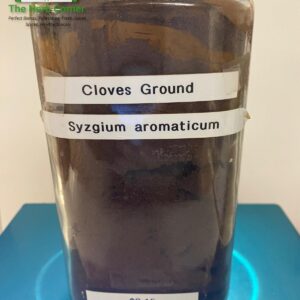
Cloves Ground (Syzygium aromaticum)
Cloves Ground (Syzygium aromaticum) are well known among herbalists for their concentrated antimicrobial, analgesic, and warming properties, traditionally used to relieve pain and inflammation, support digestive function, combat parasites and infections, and serve as a potent antioxidant-rich addition to both medicinal and culinary preparations.
-
Uncategorized
Cloves Ground (Syzygium aromaticum)
Cloves Ground (Syzygium aromaticum) are well known among herbalists for their concentrated antimicrobial, analgesic, and warming properties, traditionally used to relieve pain and inflammation, support digestive function, combat parasites and infections, and serve as a potent antioxidant-rich addition to both medicinal and culinary preparations.
-
 Herbs
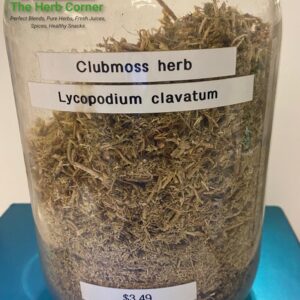
HerbsClubmoss Herb (Lycopodium clavatum)
Clubmoss herb (Lycopodium clavatum) is well known among herbalists for its traditional use as a urinary tract tonic and antispasmodic, historically used to relieve kidney and bladder disorders, ease muscle cramps, support digestive health, and address skin conditions such as eczema and wounds.
-
Uncategorized
Clubmoss Herb (Lycopodium clavatum)
Clubmoss herb (Lycopodium clavatum) is well known among herbalists for its traditional use as a urinary tract tonic and antispasmodic, historically used to relieve kidney and bladder disorders, ease muscle cramps, support digestive health, and address skin conditions such as eczema and wounds.
-
 Herb Powder
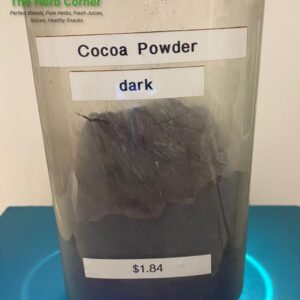
Cocoa Powder (Dark)
Cocoa Powder Dark (Theobroma cacao) is well known among herbalists for its rich flavonoid and antioxidant content and is traditionally used to support cardiovascular health, improve circulation, elevate mood, and provide a nutritive source of magnesium and other essential minerals.
-
Uncategorized
Cocoa Powder (Dark)
Cocoa Powder Dark (Theobroma cacao) is well known among herbalists for its rich flavonoid and antioxidant content and is traditionally used to support cardiovascular health, improve circulation, elevate mood, and provide a nutritive source of magnesium and other essential minerals.
-
 Herb Leaf
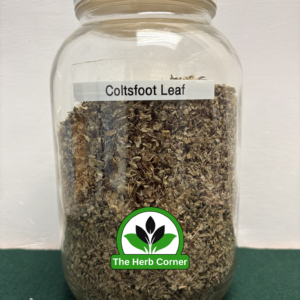
Coltsfoot Leaf (Tussilago farfara)
Coltsfoot Leaf (Tussilago farfara) is well known among herbalists for its expectorant and demulcent properties, traditionally used to soothe irritated respiratory passages, relieve coughs, bronchitis, and asthma, and ease inflammation of the mucous membranes; however, it is used with caution due to the presence of pyrrolizidine alkaloids.
-
Uncategorized
Coltsfoot Leaf (Tussilago farfara)
Coltsfoot Leaf (Tussilago farfara) is well known among herbalists for its expectorant and demulcent properties, traditionally used to soothe irritated respiratory passages, relieve coughs, bronchitis, and asthma, and ease inflammation of the mucous membranes; however, it is used with caution due to the presence of pyrrolizidine alkaloids.
-
 Herb Leaf
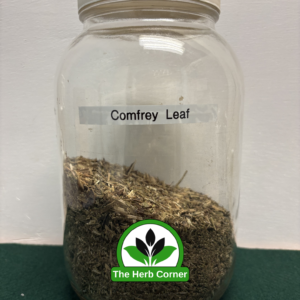
Comfrey Leaf (Symphytum officinale)
Comfrey Leaf (Symphytum officinale) is well known among herbalists for its remarkable wound-healing and tissue-regenerating properties, attributed to its rich allantoin content. Traditionally used topically to accelerate the healing of bruises, sprains, fractures, and skin conditions, it is approached with caution for internal use due to the presence of pyrrolizidine alkaloids.
-
Uncategorized
Comfrey Leaf (Symphytum officinale)
Comfrey Leaf (Symphytum officinale) is well known among herbalists for its remarkable wound-healing and tissue-regenerating properties, attributed to its rich allantoin content. Traditionally used topically to accelerate the healing of bruises, sprains, fractures, and skin conditions, it is approached with caution for internal use due to the presence of pyrrolizidine alkaloids.
-
 Herb Root
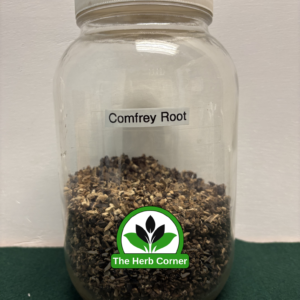
Comfrey Root (Symphytum officinale)
Comfrey Root (Symphytum officinale) is well known among herbalists for its exceptionally high allantoin content and powerful cell-proliferating properties and is traditionally used topically to promote rapid healing of bones, tendons, ligaments, and deep tissue injuries, earning it the name “knitbone.” However, internal use is strongly discouraged due to its high pyrrolizidine alkaloid content.
-
Uncategorized
Comfrey Root (Symphytum officinale)
Comfrey Root (Symphytum officinale) is well known among herbalists for its exceptionally high allantoin content and powerful cell-proliferating properties and is traditionally used topically to promote rapid healing of bones, tendons, ligaments, and deep tissue injuries, earning it the name “knitbone.” However, internal use is strongly discouraged due to its high pyrrolizidine alkaloid content.
-
 Herb Powder
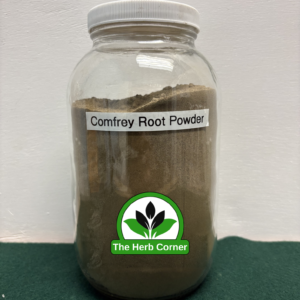
Comfrey Root Powder (Symphytum officinale)
Comfrey Root Powder (Symphytum officinale) is well known among herbalists for its concentrated cell-regenerating and anti-inflammatory properties, traditionally used as a topical poultice or salve to accelerate the healing of fractures, sprains, muscle tears, and skin conditions, though internal use is strictly cautioned due to its significant concentration of hepatotoxic pyrrolizidine alkaloids.
-
Uncategorized
Comfrey Root Powder (Symphytum officinale)
Comfrey Root Powder (Symphytum officinale) is well known among herbalists for its concentrated cell-regenerating and anti-inflammatory properties, traditionally used as a topical poultice or salve to accelerate the healing of fractures, sprains, muscle tears, and skin conditions, though internal use is strictly cautioned due to its significant concentration of hepatotoxic pyrrolizidine alkaloids.
-
 Herb Seed
Coriander Seed (Coriandrum sativum)
Coriander Seed (Coriandrum sativum) is well known among herbalists for its carminative, digestive, and cooling properties, traditionally used to relieve bloating, gas, and digestive cramping, support healthy blood sugar levels, and gently ease urinary tract inflammation and anxiety.
-
Uncategorized
Coriander Seed (Coriandrum sativum)
Coriander Seed (Coriandrum sativum) is well known among herbalists for its carminative, digestive, and cooling properties, traditionally used to relieve bloating, gas, and digestive cramping, support healthy blood sugar levels, and gently ease urinary tract inflammation and anxiety.
-
 Herb Powder
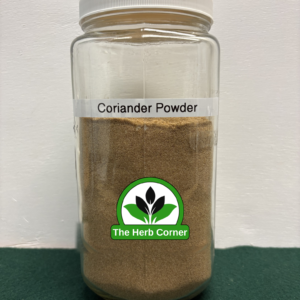
Coriander Seed Powder
The ground dried fruit of the cilantro plant, with a warm, citrusy, slightly sweet flavor entirely distinct from the leaf. One of the oldest recorded spice medicines, used across virtually every traditional healing system for digestive, metabolic, and antimicrobial applications.
-
Uncategorized
Coriander Seed Powder
The ground dried fruit of the cilantro plant, with a warm, citrusy, slightly sweet flavor entirely distinct from the leaf. One of the oldest recorded spice medicines, used across virtually every traditional healing system for digestive, metabolic, and antimicrobial applications.
-
 Herbs
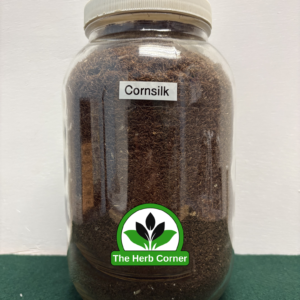
HerbsCornsilk (Zea mays)
div]:bg-bg-000/50 [&_pre>div]:border-0.5 [&_pre>div]:border-border-400 [&_.ignore-pre-bg>div]:bg-transparent [&_.standard-markdown_:is(p,blockquote,h1,h2,h3,h4,h5,h6)]:pl-2 [&_.standard-markdown_:is(p,blockquote,ul,ol,h1,h2,h3,h4,h5,h6)]:pr-8 [&_.progressive-markdown_:is(p,blockquote,h1,h2,h3,h4,h5,h6)]:pl-2 [&_.progressive-markdown_:is(p,blockquote,ul,ol,h1,h2,h3,h4,h5,h6)]:pr-8″> _]:min-w-0 gap-3 standard-markdown”> Cornsilk (Zea mays) is well known among herbalists for its soothing diuretic and demulcent properties, traditionally used to support kidney and urinary tract health, relieve bladder inflammation, ease painful urination, and aid the passage of kidney stones.
-
Uncategorized
Cornsilk (Zea mays)
div]:bg-bg-000/50 [&_pre>div]:border-0.5 [&_pre>div]:border-border-400 [&_.ignore-pre-bg>div]:bg-transparent [&_.standard-markdown_:is(p,blockquote,h1,h2,h3,h4,h5,h6)]:pl-2 [&_.standard-markdown_:is(p,blockquote,ul,ol,h1,h2,h3,h4,h5,h6)]:pr-8 [&_.progressive-markdown_:is(p,blockquote,h1,h2,h3,h4,h5,h6)]:pl-2 [&_.progressive-markdown_:is(p,blockquote,ul,ol,h1,h2,h3,h4,h5,h6)]:pr-8″> _]:min-w-0 gap-3 standard-markdown”> Cornsilk (Zea mays) is well known among herbalists for its soothing diuretic and demulcent properties, traditionally used to support kidney and urinary tract health, relieve bladder inflammation, ease painful urination, and aid the passage of kidney stones.
-
 Herbs
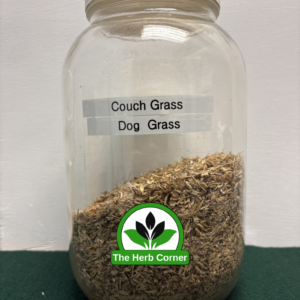
HerbsCouch Grass – Dog Grass (Agropyron repens)
Couch Grass—Dog Grass (Agropyron repens) is well known among herbalists for its soothing diuretic and demulcent properties, traditionally used to relieve urinary tract infections, ease inflammation of the bladder and kidneys, dissolve kidney stones, and gently cleanse and support overall urinary system health.
-
Uncategorized
Couch Grass – Dog Grass (Agropyron repens)
Couch Grass—Dog Grass (Agropyron repens) is well known among herbalists for its soothing diuretic and demulcent properties, traditionally used to relieve urinary tract infections, ease inflammation of the bladder and kidneys, dissolve kidney stones, and gently cleanse and support overall urinary system health.
