
Showing 201–300 of 570 results
-
 Herbs
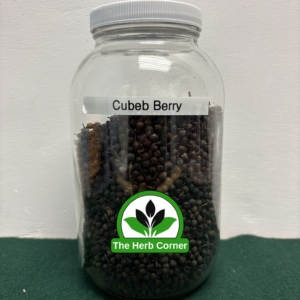
HerbsCubeb Berry (Piper cubeba)
Cubeb Berry (Piper cubeba) is well known among herbalists for its antiseptic, expectorant, and carminative properties, traditionally used to support urinary tract health, relieve respiratory congestion, ease digestive discomfort, and address inflammatory conditions of the mucous membranes.
-
 Uncategorized
Cubeb Berry (Piper cubeba)
Cubeb Berry (Piper cubeba) is well known among herbalists for its antiseptic, expectorant, and carminative properties, traditionally used to support urinary tract health, relieve respiratory congestion, ease digestive discomfort, and address inflammatory conditions of the mucous membranes.
-
 Herb Seed
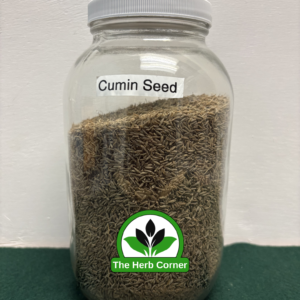
Cumin Seed (Cuminum cyminum)
Cumin Seed (Cuminum cyminum) is well known among herbalists for its warming, carminative, and digestive properties, traditionally used to relieve bloating, gas, and indigestion; support healthy liver function; enhance nutrient absorption; and provide antimicrobial and antioxidant benefits.
-
Uncategorized
Cumin Seed (Cuminum cyminum)
Cumin Seed (Cuminum cyminum) is well known among herbalists for its warming, carminative, and digestive properties, traditionally used to relieve bloating, gas, and indigestion; support healthy liver function; enhance nutrient absorption; and provide antimicrobial and antioxidant benefits.
-
 Herb Powder
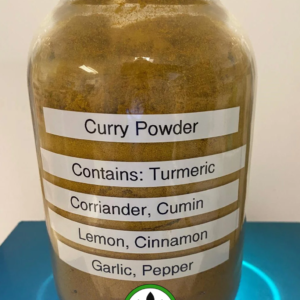
Curry Powder (Turmeric, Coriander, Cumin, Lemon, Cinnamon, Garlic, Pepper)
Curry Powder (containing Turmeric, Coriander, Cumin, Lemon, Cinnamon, Garlic, and Pepper) is well known among herbalists for its synergistic blend of potent anti-inflammatory, antioxidant, and digestive-supporting botanicals, traditionally used to promote healthy digestion, reduce systemic inflammation, support cardiovascular and immune health, and provide broad-spectrum antimicrobial protection.
-
Uncategorized
Curry Powder (Turmeric, Coriander, Cumin, Lemon, Cinnamon, Garlic, Pepper)
Curry Powder (containing Turmeric, Coriander, Cumin, Lemon, Cinnamon, Garlic, and Pepper) is well known among herbalists for its synergistic blend of potent anti-inflammatory, antioxidant, and digestive-supporting botanicals, traditionally used to promote healthy digestion, reduce systemic inflammation, support cardiovascular and immune health, and provide broad-spectrum antimicrobial protection.
-
 Herbs
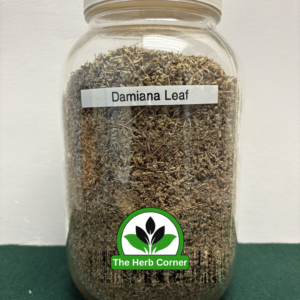
HerbsDamiana (Turnera diffusa)
Damiana (Turnera diffusa) is well known among herbalists for its renowned aphrodisiac and nervine tonic properties, traditionally used to enhance libido, support hormonal balance, relieve anxiety and depression, and restore vitality and energy, particularly in cases of sexual dysfunction and nervous exhaustion.
-
Uncategorized
Damiana (Turnera diffusa)
Damiana (Turnera diffusa) is well known among herbalists for its renowned aphrodisiac and nervine tonic properties, traditionally used to enhance libido, support hormonal balance, relieve anxiety and depression, and restore vitality and energy, particularly in cases of sexual dysfunction and nervous exhaustion.
-
 Herb Leaf
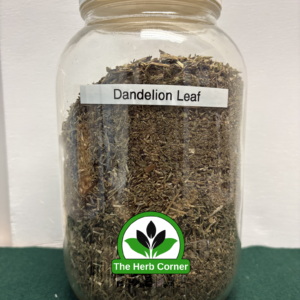
Dandelion Leaf (Taraxacum officinale)
Dandelion Leaf (Taraxacum officinale) is well known among herbalists for its potent diuretic and nutritive properties, traditionally used to support kidney function, reduce water retention, promote liver health, and provide a rich source of vitamins A, C, and K, as well as potassium and other essential minerals.
-
Uncategorized
Dandelion Leaf (Taraxacum officinale)
Dandelion Leaf (Taraxacum officinale) is well known among herbalists for its potent diuretic and nutritive properties, traditionally used to support kidney function, reduce water retention, promote liver health, and provide a rich source of vitamins A, C, and K, as well as potassium and other essential minerals.
-
 Herb Root
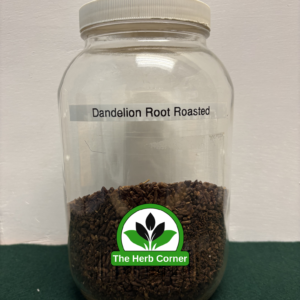
Dandelion Root (Taraxacum officinale)
Dandelion Root (Taraxacum officinale) is well known among herbalists for its powerful liver-supportive and digestive bitter tonic properties, traditionally used to stimulate bile production, promote liver detoxification, support gallbladder function, aid digestion, and gently cleanse the blood and lymphatic system.
-
Uncategorized
Dandelion Root (Taraxacum officinale)
Dandelion Root (Taraxacum officinale) is well known among herbalists for its powerful liver-supportive and digestive bitter tonic properties, traditionally used to stimulate bile production, promote liver detoxification, support gallbladder function, aid digestion, and gently cleanse the blood and lymphatic system.
-
 Herb Root
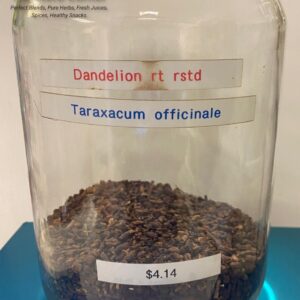
Dandelion Root Roasted (Taraxacum officinale)
Roasted Dandelion Root (Taraxacum officinale) is well known among herbalists for its gentle liver-supportive and prebiotic properties, traditionally used as a popular caffeine-free coffee substitute that supports healthy digestion, stimulates bile flow, promotes liver detoxification, and nourishes beneficial gut bacteria with its rich inulin content.
-
Uncategorized
Dandelion Root Roasted (Taraxacum officinale)
Roasted Dandelion Root (Taraxacum officinale) is well known among herbalists for its gentle liver-supportive and prebiotic properties, traditionally used as a popular caffeine-free coffee substitute that supports healthy digestion, stimulates bile flow, promotes liver detoxification, and nourishes beneficial gut bacteria with its rich inulin content.
-
 Tea
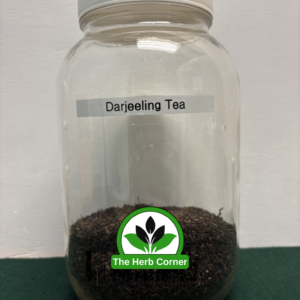
TeaDarjeeling Tea (Camellia sinensis)
Darjeeling Tea (Camellia sinensis) is well known among herbalists for its rich antioxidant and mild stimulant properties, traditionally used to support cardiovascular health, enhance mental clarity and focus, aid digestion, and provide a gentle source of caffeine alongside beneficial polyphenols and catechins for overall well-being.
-
Uncategorized
Darjeeling Tea (Camellia sinensis)
Darjeeling Tea (Camellia sinensis) is well known among herbalists for its rich antioxidant and mild stimulant properties, traditionally used to support cardiovascular health, enhance mental clarity and focus, aid digestion, and provide a gentle source of caffeine alongside beneficial polyphenols and catechins for overall well-being.
-
 Herb Root
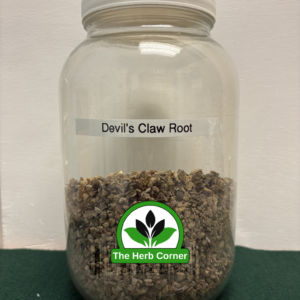
Devil’s Claw Root (Harpagophytum procumbens)
Devil’s Claw Root (Harpagophytum procumbens) is well known among herbalists for its potent anti-inflammatory and analgesic properties, traditionally used by indigenous southern African peoples to relieve arthritis, joint pain, lower back pain, and muscle inflammation while also supporting healthy digestion as a bitter tonic.
-
Uncategorized
Devil’s Claw Root (Harpagophytum procumbens)
Devil’s Claw Root (Harpagophytum procumbens) is well known among herbalists for its potent anti-inflammatory and analgesic properties, traditionally used by indigenous southern African peoples to relieve arthritis, joint pain, lower back pain, and muscle inflammation while also supporting healthy digestion as a bitter tonic.
-
 Herb Powder
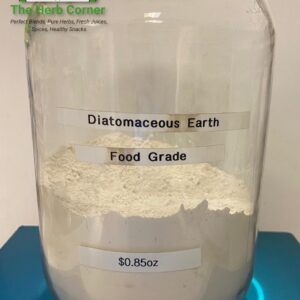
Diatomaceous Earth (Food Grade)
Diatomaceous Earth Food Grade (Amorphous Silicon Dioxide) is well known among herbalists for its natural detoxifying and cleansing properties, traditionally used to support the elimination of intestinal parasites, promote digestive health, provide a rich source of silica for healthy hair, skin, nails, and bones, and assist in gentle internal detoxification.
-
Uncategorized
Diatomaceous Earth (Food Grade)
Diatomaceous Earth Food Grade (Amorphous Silicon Dioxide) is well known among herbalists for its natural detoxifying and cleansing properties, traditionally used to support the elimination of intestinal parasites, promote digestive health, provide a rich source of silica for healthy hair, skin, nails, and bones, and assist in gentle internal detoxification.
-
 Herb Seed
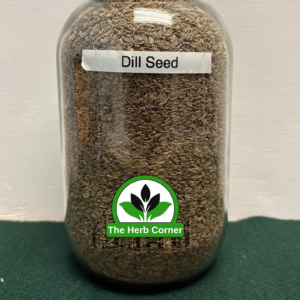
Dill Seed (Anethum graveolens)
Dill Seed (Anethum graveolens) is well known among herbalists for its reliable carminative and antispasmodic properties, traditionally used to relieve gas, bloating, and digestive cramping; soothe colic in infants; support healthy lactation in nursing mothers; and calm hiccups and nausea.
-
Uncategorized
Dill Seed (Anethum graveolens)
Dill Seed (Anethum graveolens) is well known among herbalists for its reliable carminative and antispasmodic properties, traditionally used to relieve gas, bloating, and digestive cramping; soothe colic in infants; support healthy lactation in nursing mothers; and calm hiccups and nausea.
-
 Herbs
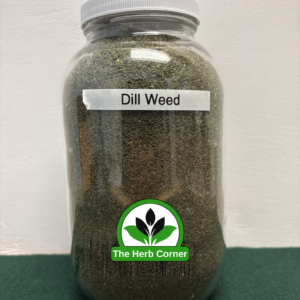
HerbsDill Weed (Anethum graveolens)
Dill Weed (Anethum graveolens) is well known among herbalists for its gentle carminative and diuretic properties, traditionally used to soothe digestive discomfort, reduce bloating and flatulence, support kidney function, calm nervous tension, and provide a mild antimicrobial action beneficial to overall digestive and urinary tract health.
-
Uncategorized
Dill Weed (Anethum graveolens)
Dill Weed (Anethum graveolens) is well known among herbalists for its gentle carminative and diuretic properties, traditionally used to soothe digestive discomfort, reduce bloating and flatulence, support kidney function, calm nervous tension, and provide a mild antimicrobial action beneficial to overall digestive and urinary tract health.
-
 Herb Flower
Dong Quai Root Powder (Angelica sinensis)
Dong Quai Root Powder (Angelica sinensis) is well known among herbalists for its revered status as a premier female tonic in Traditional Chinese Medicine, traditionally used to regulate menstrual cycles, relieve menstrual cramps and menopausal symptoms, nourish and invigorate the blood, and support overall reproductive and hormonal health.
-
Uncategorized
Dong Quai Root Powder (Angelica sinensis)
Dong Quai Root Powder (Angelica sinensis) is well known among herbalists for its revered status as a premier female tonic in Traditional Chinese Medicine, traditionally used to regulate menstrual cycles, relieve menstrual cramps and menopausal symptoms, nourish and invigorate the blood, and support overall reproductive and hormonal health.
-
 Tea
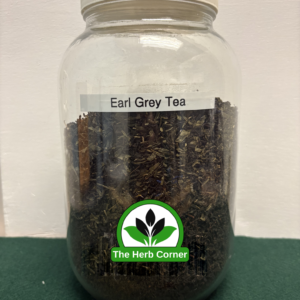
TeaEarl Grey Tea
Earl Grey Tea (Camellia sinensis with Citrus bergamia bergamot) is well known among herbalists for its uplifting and digestive properties, traditionally used to enhance mood and mental clarity; support healthy digestion; provide antioxidant-rich polyphenols for cardiovascular health; and offer the calming yet focus-enhancing benefits of bergamot essential oil.
-
Uncategorized
Earl Grey Tea
Earl Grey Tea (Camellia sinensis with Citrus bergamia bergamot) is well known among herbalists for its uplifting and digestive properties, traditionally used to enhance mood and mental clarity; support healthy digestion; provide antioxidant-rich polyphenols for cardiovascular health; and offer the calming yet focus-enhancing benefits of bergamot essential oil.
-
 Herb Root
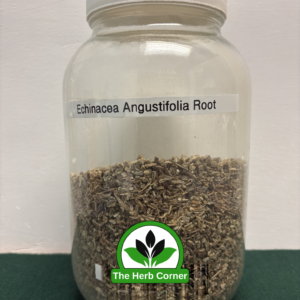
Echinacea Angustifolia Root
Echinacea Angustifolia Root (Echinacea angustifolia) is well known among herbalists for its potent immunostimulant and antimicrobial properties, traditionally used by Native American peoples to boost immune function, combat colds, flu, and infections; reduce inflammation; and promote lymphatic health. It is considered by many herbalists to be the most medicinally active of all the Echinacea species.
-
Uncategorized
Echinacea Angustifolia Root
Echinacea Angustifolia Root (Echinacea angustifolia) is well known among herbalists for its potent immunostimulant and antimicrobial properties, traditionally used by Native American peoples to boost immune function, combat colds, flu, and infections; reduce inflammation; and promote lymphatic health. It is considered by many herbalists to be the most medicinally active of all the Echinacea species.
-
 Herbs
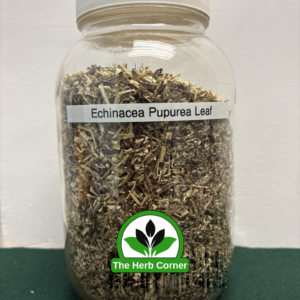
HerbsEchinacea Purpurea Herb
Echinacea Purpurea Herb (Echinacea purpurea) is well known among herbalists for its broad-spectrum immune-enhancing and anti-inflammatory properties, traditionally used to stimulate and modulate immune function, shorten the duration and severity of colds and upper respiratory infections, and support the body’s natural defenses against bacterial and viral pathogens.
-
Uncategorized
Echinacea Purpurea Herb
Echinacea Purpurea Herb (Echinacea purpurea) is well known among herbalists for its broad-spectrum immune-enhancing and anti-inflammatory properties, traditionally used to stimulate and modulate immune function, shorten the duration and severity of colds and upper respiratory infections, and support the body’s natural defenses against bacterial and viral pathogens.
-
 Herb Powder
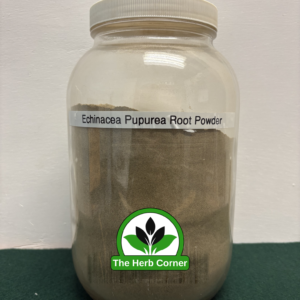
Echinacea Root Powder (Purpurea)
Echinacea Root Powder (Echinacea purpurea) is well known among herbalists for its concentrated immunostimulant and antiviral properties, traditionally used to powerfully activate the immune system, accelerate recovery from colds and respiratory infections, reduce inflammation, and provide broad-spectrum support against bacterial and viral pathogens, with the root being particularly valued for its high content of active alkylamides and polysaccharides.
-
Uncategorized
Echinacea Root Powder (Purpurea)
Echinacea Root Powder (Echinacea purpurea) is well known among herbalists for its concentrated immunostimulant and antiviral properties, traditionally used to powerfully activate the immune system, accelerate recovery from colds and respiratory infections, reduce inflammation, and provide broad-spectrum support against bacterial and viral pathogens, with the root being particularly valued for its high content of active alkylamides and polysaccharides.
-
 Herbs
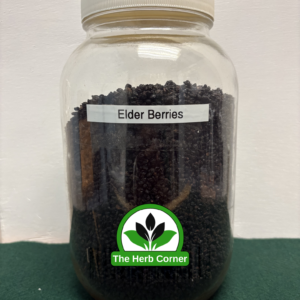
HerbsElder Berries (Sambucus nigra)
Elderberries (Sambucus nigra) are well known among herbalists for their exceptional immune-boosting and antiviral properties, traditionally used to prevent and shorten the duration of colds and influenza, provide powerful antioxidant protection through their rich anthocyanin content, and support overall respiratory and cardiovascular health.
-
Uncategorized
Elder Berries (Sambucus nigra)
Elderberries (Sambucus nigra) are well known among herbalists for their exceptional immune-boosting and antiviral properties, traditionally used to prevent and shorten the duration of colds and influenza, provide powerful antioxidant protection through their rich anthocyanin content, and support overall respiratory and cardiovascular health.
-
 Herb Flower
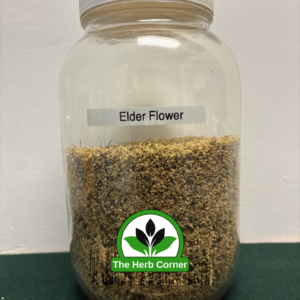
Elder Flower (Sambucus nigra)
Elderflower (Sambucus nigra) is well known among herbalists for its gentle diaphoretic, anticatarrhal, and anti-inflammatory properties, traditionally used to reduce fevers, relieve hay fever and sinus congestion, support upper respiratory health, and promote the elimination of toxins through the skin during colds and flu.
-
Uncategorized
Elder Flower (Sambucus nigra)
Elderflower (Sambucus nigra) is well known among herbalists for its gentle diaphoretic, anticatarrhal, and anti-inflammatory properties, traditionally used to reduce fevers, relieve hay fever and sinus congestion, support upper respiratory health, and promote the elimination of toxins through the skin during colds and flu.
-
 Herb Powder
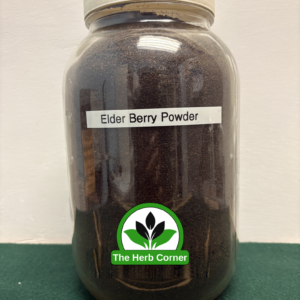
Elderberry Powder (Sambucus nigra)
A concentrated powder from one of the most celebrated immune-supporting berries in European herbal tradition. Backed by genuine clinical evidence for reducing cold and flu duration and severity, making it one of the most practically useful and well-validated herbs in naturopathic practice.
-
Uncategorized
Elderberry Powder (Sambucus nigra)
A concentrated powder from one of the most celebrated immune-supporting berries in European herbal tradition. Backed by genuine clinical evidence for reducing cold and flu duration and severity, making it one of the most practically useful and well-validated herbs in naturopathic practice.
-
 Herb Root
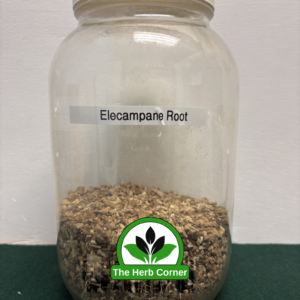
Elecampane Root (Inula helenium)
Elecampane Root (Inula helenium) is well known among herbalists for its powerful expectorant, antimicrobial, and respiratory tonic properties, traditionally used to relieve chronic coughs, bronchitis, and deep-seated lung congestion, while also supporting digestive health through its bitter and carminative actions and providing prebiotic benefits through its rich inulin content.
-
Uncategorized
Elecampane Root (Inula helenium)
Elecampane Root (Inula helenium) is well known among herbalists for its powerful expectorant, antimicrobial, and respiratory tonic properties, traditionally used to relieve chronic coughs, bronchitis, and deep-seated lung congestion, while also supporting digestive health through its bitter and carminative actions and providing prebiotic benefits through its rich inulin content.
-
 Tea
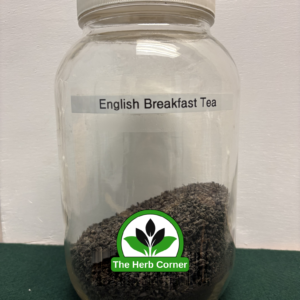
TeaEnglish Breakfast Tea (Camellia sinensis)
English Breakfast Tea (Camellia sinensis) is well known among herbalists for its robust antioxidant and stimulating properties, traditionally used to support mental alertness and focus, promote cardiovascular health, aid digestion, and provide a rich source of theaflavins, catechins, and polyphenols that contribute to overall vitality and well-being.
-
Uncategorized
English Breakfast Tea (Camellia sinensis)
English Breakfast Tea (Camellia sinensis) is well known among herbalists for its robust antioxidant and stimulating properties, traditionally used to support mental alertness and focus, promote cardiovascular health, aid digestion, and provide a rich source of theaflavins, catechins, and polyphenols that contribute to overall vitality and well-being.
-
 Herb Packet
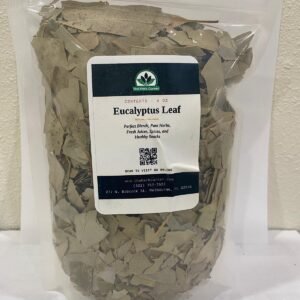
Eucalyptus Leaf (4oz packet)
A fast-growing Australian tree whose leaves contain one of the most powerful and versatile medicinal volatile oils known. A cornerstone of respiratory herbal medicine worldwide, equally valued as an expectorant, antimicrobial, and anti-inflammatory remedy.
-
Uncategorized
Eucalyptus Leaf (4oz packet)
A fast-growing Australian tree whose leaves contain one of the most powerful and versatile medicinal volatile oils known. A cornerstone of respiratory herbal medicine worldwide, equally valued as an expectorant, antimicrobial, and anti-inflammatory remedy.
-
 Herb Leaf
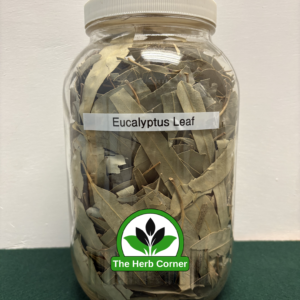
Eucalyptus Leaf (Eucalyptus globulus)
Eucalyptus Leaf (Eucalyptus globulus) is well known among herbalists for its potent antimicrobial, expectorant, and decongestant properties, traditionally used to relieve respiratory congestion, ease bronchitis, asthma, and sinusitis, combat bacterial and viral infections, and provide powerful anti-inflammatory benefits both internally and when used topically or in steam inhalation.
-
Uncategorized
Eucalyptus Leaf (Eucalyptus globulus)
Eucalyptus Leaf (Eucalyptus globulus) is well known among herbalists for its potent antimicrobial, expectorant, and decongestant properties, traditionally used to relieve respiratory congestion, ease bronchitis, asthma, and sinusitis, combat bacterial and viral infections, and provide powerful anti-inflammatory benefits both internally and when used topically or in steam inhalation.
-
 Herbs
HerbsEyebright (Euphrasia officinalis)
Eyebright (Euphrasia officinalis) is well known among herbalists for its remarkable affinity with the eyes and upper respiratory tract, traditionally used to relieve eye inflammation, conjunctivitis, and eye strain, reduce nasal congestion and sinusitis, and soothe the mucous membranes of the eyes and respiratory system.
-
Uncategorized
Eyebright (Euphrasia officinalis)
Eyebright (Euphrasia officinalis) is well known among herbalists for its remarkable affinity with the eyes and upper respiratory tract, traditionally used to relieve eye inflammation, conjunctivitis, and eye strain, reduce nasal congestion and sinusitis, and soothe the mucous membranes of the eyes and respiratory system.
-
Uncategorized
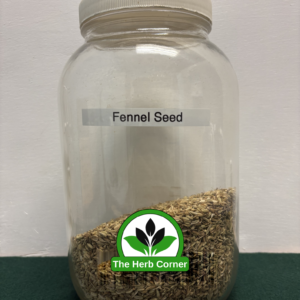
Fennel Seed (Foeniculum vulgare)
Fennel Seed (Foeniculum vulgare) is well known among herbalists for its reliable carminative and antispasmodic properties, traditionally used to relieve digestive discomfort, bloating, gas, and intestinal cramping; support healthy lactation in nursing mothers; ease colic in infants; and provide gentle expectorant support for respiratory congestion.
-
 Herb Seed
Fennel Seed (Foeniculum vulgare)
Fennel Seed (Foeniculum vulgare) is well known among herbalists for its reliable carminative and antispasmodic properties, traditionally used to relieve digestive discomfort, bloating, gas, and intestinal cramping; support healthy lactation in nursing mothers; ease colic in infants; and provide gentle expectorant support for respiratory congestion.
-
Uncategorized
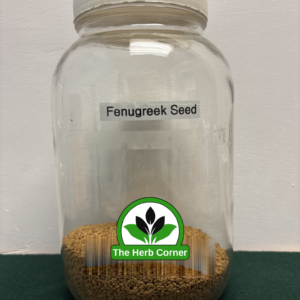
Fenugreek Seed (Trigonella foenum-graecum)
Fenugreek Seed (Trigonella foenum-graecum) is well known among herbalists for its versatile demulcent, galactagogue, and blood sugar-regulating properties, traditionally used to support healthy milk production in nursing mothers, regulate glucose and cholesterol levels, soothe digestive inflammation, and promote hormonal balance in both men and women.
-
 Herb Seed
Fenugreek Seed (Trigonella foenum-graecum)
Fenugreek Seed (Trigonella foenum-graecum) is well known among herbalists for its versatile demulcent, galactagogue, and blood sugar-regulating properties, traditionally used to support healthy milk production in nursing mothers, regulate glucose and cholesterol levels, soothe digestive inflammation, and promote hormonal balance in both men and women.
-
Uncategorized
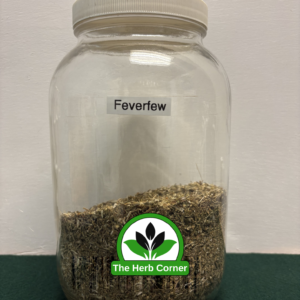
Feverfew Herb (Tanacetum parthenium)
Feverfew Herb (Tanacetum parthenium) is well known among herbalists for its potent anti-inflammatory and antispasmodic properties, traditionally used to prevent and reduce the frequency and severity of migraines and headaches; relieve fever and arthritis pain; and inhibit platelet aggregation through its active constituent, parthenolide.
-
 Herbs
HerbsFeverfew Herb (Tanacetum parthenium)
Feverfew Herb (Tanacetum parthenium) is well known among herbalists for its potent anti-inflammatory and antispasmodic properties, traditionally used to prevent and reduce the frequency and severity of migraines and headaches; relieve fever and arthritis pain; and inhibit platelet aggregation through its active constituent, parthenolide.
-
Uncategorized
Figwort Herb (Scrophularia nodosa)
Figwort Herb (Scrophularia nodosa) is well known among herbalists for its alterative and lymphatic properties, traditionally used to support the clearance of skin conditions such as eczema, psoriasis, and chronic eruptions; promote lymphatic drainage; support liver detoxification; and act as a gentle cardiac tonic to improve circulation.
-
 Herbs
HerbsFigwort Herb (Scrophularia nodosa)
Figwort Herb (Scrophularia nodosa) is well known among herbalists for its alterative and lymphatic properties, traditionally used to support the clearance of skin conditions such as eczema, psoriasis, and chronic eruptions; promote lymphatic drainage; support liver detoxification; and act as a gentle cardiac tonic to improve circulation.
-
Uncategorized
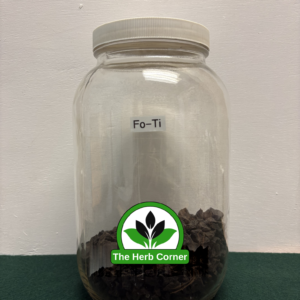
Fo-Ti (Polygonum multiflorum)
Fo-ti (Polygonum multiflorum) is well known among herbalists for its legendary adaptogenic and tonic properties in Traditional Chinese Medicine, traditionally used to promote longevity, replenish vital essence, nourish liver and kidney function, strengthen the blood, enhance fertility, and support healthy hair, skin, and overall rejuvenation.
-
 Herbs
HerbsFo-Ti (Polygonum multiflorum)
Fo-ti (Polygonum multiflorum) is well known among herbalists for its legendary adaptogenic and tonic properties in Traditional Chinese Medicine, traditionally used to promote longevity, replenish vital essence, nourish liver and kidney function, strengthen the blood, enhance fertility, and support healthy hair, skin, and overall rejuvenation.
-
Uncategorized
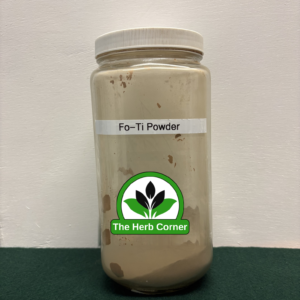
Fo-Ti Powder, Ho Shou Wu (Polygonum multiflorum)
Fo Ti Powder—Ho Shou Wu (Polygonum multiflorum) is well known among herbalists for its revered status as a premier longevity and rejuvenating tonic in Traditional Chinese Medicine, traditionally used to nourish the liver and kidneys, restore natural hair color, support healthy aging, enhance vitality and sexual energy, and strengthen the blood and essence.
-
 Herb Powder
Fo-Ti Powder, Ho Shou Wu (Polygonum multiflorum)
Fo Ti Powder—Ho Shou Wu (Polygonum multiflorum) is well known among herbalists for its revered status as a premier longevity and rejuvenating tonic in Traditional Chinese Medicine, traditionally used to nourish the liver and kidneys, restore natural hair color, support healthy aging, enhance vitality and sexual energy, and strengthen the blood and essence.
-
Uncategorized
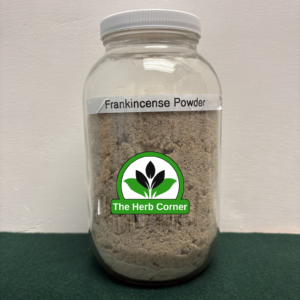
Frankincense Powder (Boswellia serrata)
Frankincense Powder (Boswellia serrata) is well known among herbalists for its potent anti-inflammatory and immune-modulating properties, traditionally used in Ayurvedic medicine to relieve arthritis and joint pain, support respiratory health, promote healthy digestion, and provide neuroprotective and anti-cancer benefits through its active boswellic acid compounds.
-
 Herb Powder
Frankincense Powder (Boswellia serrata)
Frankincense Powder (Boswellia serrata) is well known among herbalists for its potent anti-inflammatory and immune-modulating properties, traditionally used in Ayurvedic medicine to relieve arthritis and joint pain, support respiratory health, promote healthy digestion, and provide neuroprotective and anti-cancer benefits through its active boswellic acid compounds.
-
Uncategorized
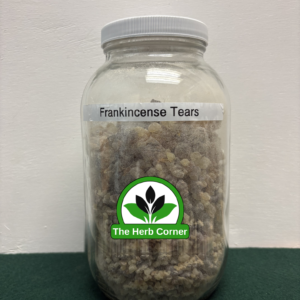
Frankincense Tears (Boswellia carteri)
Frankincense Tears (Boswellia carteri) is well known among herbalists for its sacred and time-honored anti-inflammatory, immunostimulant, and meditative properties, traditionally used across ancient Egyptian, Ayurvedic, and Middle Eastern healing traditions to support respiratory health, calm the nervous system, promote spiritual well-being, and provide powerful anti-inflammatory benefits through its rich, resinous boswellic acid content.
-
 Herbs
HerbsFrankincense Tears (Boswellia carteri)
Frankincense Tears (Boswellia carteri) is well known among herbalists for its sacred and time-honored anti-inflammatory, immunostimulant, and meditative properties, traditionally used across ancient Egyptian, Ayurvedic, and Middle Eastern healing traditions to support respiratory health, calm the nervous system, promote spiritual well-being, and provide powerful anti-inflammatory benefits through its rich, resinous boswellic acid content.
-
Uncategorized
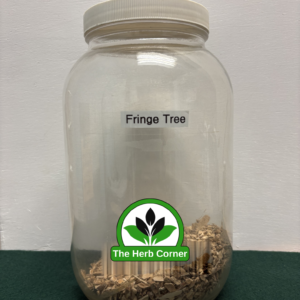
Fringe Tree (Chionanthus virginicus)
Fringe Tree (Chionanthus virginicus) is well known among herbalists for its powerful hepatic and cholagogue properties, traditionally used to support liver and gallbladder function, stimulate bile flow, relieve liver congestion and jaundice, and gently cleanse and tone the entire hepatic system, earning it a strong reputation as one of the finest liver remedies in Western herbal medicine.
-
 Herb Bark
Fringe Tree (Chionanthus virginicus)
Fringe Tree (Chionanthus virginicus) is well known among herbalists for its powerful hepatic and cholagogue properties, traditionally used to support liver and gallbladder function, stimulate bile flow, relieve liver congestion and jaundice, and gently cleanse and tone the entire hepatic system, earning it a strong reputation as one of the finest liver remedies in Western herbal medicine.
-
Uncategorized
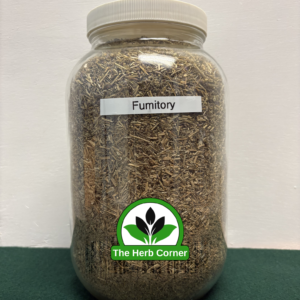
Fumitory (Fumaria officinalis)
Fumitory (Fumaria officinalis) is well known among herbalists for its gentle hepatic, diuretic, and alterative properties, traditionally used to support liver and gallbladder function, regulate bile production, cleanse the blood, relieve chronic skin conditions such as eczema and psoriasis, and gently tone the digestive system.
-
 Herbs
HerbsFumitory (Fumaria officinalis)
Fumitory (Fumaria officinalis) is well known among herbalists for its gentle hepatic, diuretic, and alterative properties, traditionally used to support liver and gallbladder function, regulate bile production, cleanse the blood, relieve chronic skin conditions such as eczema and psoriasis, and gently tone the digestive system.
-
Uncategorized
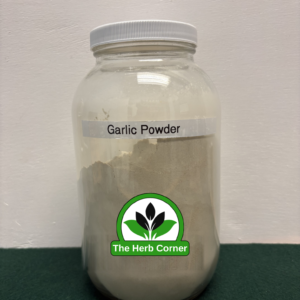
Garlic Powder (Allium sativum)
Garlic Powder (Allium sativum) is well known among herbalists for its exceptional antimicrobial, cardiovascular-supportive, and immune-enhancing properties, traditionally used to combat bacterial, viral, and fungal infections, reduce blood pressure and cholesterol, support healthy circulation, and provide potent antioxidant protection through its rich allicin content.
-
 Herb Powder
Garlic Powder (Allium sativum)
Garlic Powder (Allium sativum) is well known among herbalists for its exceptional antimicrobial, cardiovascular-supportive, and immune-enhancing properties, traditionally used to combat bacterial, viral, and fungal infections, reduce blood pressure and cholesterol, support healthy circulation, and provide potent antioxidant protection through its rich allicin content.
-
Uncategorized
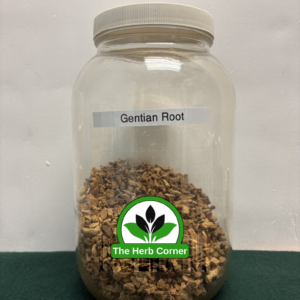
Gentian Root (Gentiana lutea)
Gentian Root (Gentiana lutea) is well known among herbalists for its exceptional bitter tonic properties, traditionally used to powerfully stimulate digestive secretions, improve appetite, enhance nutrient absorption, support liver and gallbladder function, and serve as one of the most effective and widely used digestive bitters in Western herbal medicine.
-
 Herb Root
Gentian Root (Gentiana lutea)
Gentian Root (Gentiana lutea) is well known among herbalists for its exceptional bitter tonic properties, traditionally used to powerfully stimulate digestive secretions, improve appetite, enhance nutrient absorption, support liver and gallbladder function, and serve as one of the most effective and widely used digestive bitters in Western herbal medicine.
-
 Juices
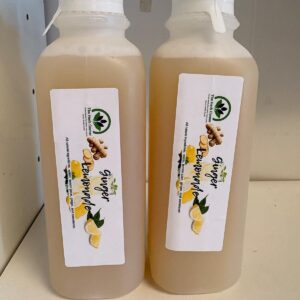
Ginger Lemonade
Our Ginger Lemonade blends fresh lemon and real ginger, lightly sweetened and ice cold—refreshing, with vitamin C and digestive benefits.
-
Uncategorized
Ginger Lemonade
Our Ginger Lemonade blends fresh lemon and real ginger, lightly sweetened and ice cold—refreshing, with vitamin C and digestive benefits.
-
Uncategorized
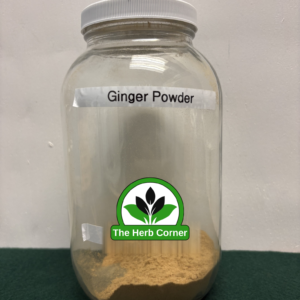
Ginger Powder (Zingiber officinale)
Ginger Powder (Zingiber officinale) is well known among herbalists for its powerful warming, carminative, and anti-inflammatory properties, traditionally used to relieve nausea, vomiting, and digestive discomfort, improve circulation, reduce joint and muscle pain, support respiratory health, and enhance the bioavailability and effectiveness of other herbs when used in formulations.
-
 Herb Powder
Ginger Powder (Zingiber officinale)
Ginger Powder (Zingiber officinale) is well known among herbalists for its powerful warming, carminative, and anti-inflammatory properties, traditionally used to relieve nausea, vomiting, and digestive discomfort, improve circulation, reduce joint and muscle pain, support respiratory health, and enhance the bioavailability and effectiveness of other herbs when used in formulations.
-
Uncategorized
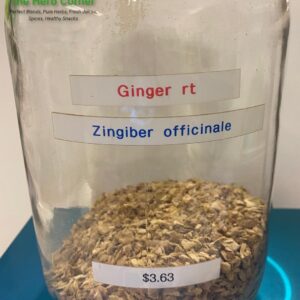
Ginger Root (Zingiber officinale)
Ginger Root (Zingiber officinale) is well known among herbalists for its versatile warming and stimulating properties, traditionally used as a premier digestive aid, circulatory tonic, and anti-inflammatory remedy to relieve nausea, motion sickness, digestive cramping, cold and flu symptoms, and chronic inflammatory conditions such as arthritis and muscle pain.
-
 Herb Root
Ginger Root (Zingiber officinale)
Ginger Root (Zingiber officinale) is well known among herbalists for its versatile warming and stimulating properties, traditionally used as a premier digestive aid, circulatory tonic, and anti-inflammatory remedy to relieve nausea, motion sickness, digestive cramping, cold and flu symptoms, and chronic inflammatory conditions such as arthritis and muscle pain.
-
Uncategorized
Ginkgo Leaf (Ginkgo biloba)
Ginkgo Leaf (Ginkgo biloba) is well known among herbalists for its remarkable circulatory and neuroprotective properties, traditionally used to enhance cerebral blood flow, improve memory and cognitive function, relieve tinnitus and vertigo, support eye health, and provide potent antioxidant protection through its rich flavonoid and terpenoid content.
-
 Herb Leaf
Ginkgo Leaf (Ginkgo biloba)
Ginkgo Leaf (Ginkgo biloba) is well known among herbalists for its remarkable circulatory and neuroprotective properties, traditionally used to enhance cerebral blood flow, improve memory and cognitive function, relieve tinnitus and vertigo, support eye health, and provide potent antioxidant protection through its rich flavonoid and terpenoid content.
-
Uncategorized
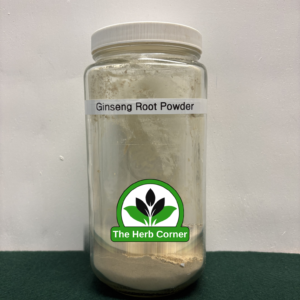
Ginseng Root Powder (Panax quinquefolius)
Ginseng Root Powder (Panax quinquefolius) is well known among herbalists for its revered adaptogenic and restorative properties, traditionally used to enhance mental and physical stamina, reduce the effects of stress, support immune function, balance energy levels, and promote overall vitality, with American Ginseng being particularly prized for its cooling and yin-nourishing qualities compared to its Asian counterpart.
-
 Herb Powder
Ginseng Root Powder (Panax quinquefolius)
Ginseng Root Powder (Panax quinquefolius) is well known among herbalists for its revered adaptogenic and restorative properties, traditionally used to enhance mental and physical stamina, reduce the effects of stress, support immune function, balance energy levels, and promote overall vitality, with American Ginseng being particularly prized for its cooling and yin-nourishing qualities compared to its Asian counterpart.
-
Uncategorized
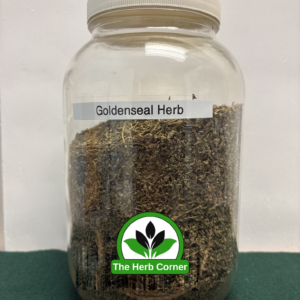
Goldenseal Herb (Hydrastis canadensis)
Goldenseal Herb (Hydrastis canadensis) is well known among herbalists for its potent antimicrobial, anti-inflammatory, and mucous membrane tonic properties, traditionally used to combat bacterial and fungal infections, soothe and heal inflamed mucous membranes throughout the body, support digestive and respiratory health, and stimulate immune function through its powerful alkaloid constituents, berberine and hydrastine.
-
 Herbs
HerbsGoldenseal Herb (Hydrastis canadensis)
Goldenseal Herb (Hydrastis canadensis) is well known among herbalists for its potent antimicrobial, anti-inflammatory, and mucous membrane tonic properties, traditionally used to combat bacterial and fungal infections, soothe and heal inflamed mucous membranes throughout the body, support digestive and respiratory health, and stimulate immune function through its powerful alkaloid constituents, berberine and hydrastine.
-
Uncategorized
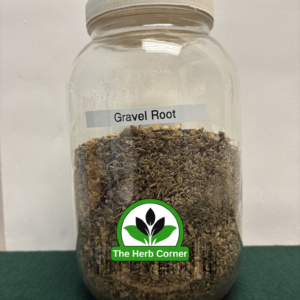
Gravel Root (Eupatorium purpureum) (Queen Of the Meadow)
Gravel Root (Eupatorium purpureum) Queen of the Meadow is well known among herbalists for its powerful diuretic and antilithic properties, traditionally used by Native American peoples to dissolve and prevent kidney stones and gallstones, relieve urinary tract infections, support kidney and bladder health, and ease rheumatic and arthritic conditions through its cleansing action on the urinary system.
-
 Herb Root
Gravel Root (Eupatorium purpureum) (Queen Of the Meadow)
Gravel Root (Eupatorium purpureum) Queen of the Meadow is well known among herbalists for its powerful diuretic and antilithic properties, traditionally used by Native American peoples to dissolve and prevent kidney stones and gallstones, relieve urinary tract infections, support kidney and bladder health, and ease rheumatic and arthritic conditions through its cleansing action on the urinary system.
-
Uncategorized
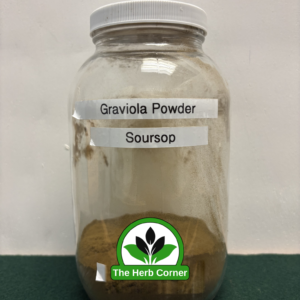
Graviola (Soursop) Powder (Annona muricata)
Graviola Powder – Soursop (Annona muricata) is well known among herbalists for its potent antioxidant, antimicrobial, and immune-supporting properties, traditionally used in tropical folk medicine to combat parasites and infections, support healthy immune function, relieve inflammation, and promote overall well-being, while also gaining significant modern research interest for its powerful acetogenin compounds and their potential anti-tumor properties.
-
 Herb Powder
Graviola (Soursop) Powder (Annona muricata)
Graviola Powder – Soursop (Annona muricata) is well known among herbalists for its potent antioxidant, antimicrobial, and immune-supporting properties, traditionally used in tropical folk medicine to combat parasites and infections, support healthy immune function, relieve inflammation, and promote overall well-being, while also gaining significant modern research interest for its powerful acetogenin compounds and their potential anti-tumor properties.
-
Uncategorized
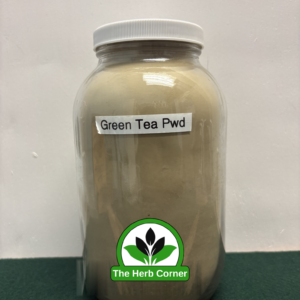
Green Tea
Green Tea (Camellia sinensis) is well known among herbalists for its exceptional antioxidant and metabolic-enhancing properties, traditionally used to support cardiovascular health, promote healthy weight management, enhance mental clarity and focus, protect against cellular damage, and provide a rich source of catechins, particularly EGCG, which is widely studied for its broad-spectrum health-promoting and cancer-preventive potential.
-
 Tea
TeaGreen Tea
Green Tea (Camellia sinensis) is well known among herbalists for its exceptional antioxidant and metabolic-enhancing properties, traditionally used to support cardiovascular health, promote healthy weight management, enhance mental clarity and focus, protect against cellular damage, and provide a rich source of catechins, particularly EGCG, which is widely studied for its broad-spectrum health-promoting and cancer-preventive potential.
-
Uncategorized
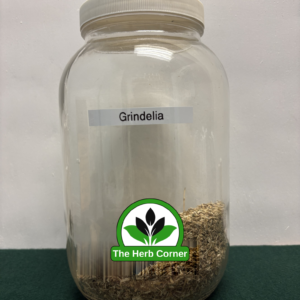
Grindelia (Grindelia squarrosa)
Grindelia (Grindelia squarrosa) is well known among herbalists for its potent expectorant, antispasmodic, and bronchodilating properties, traditionally used to relieve asthma, bronchitis, and whooping cough, soothe irritated respiratory passages, and applied topically to ease the discomfort of poison ivy, skin rashes, and insect bites.
-
 Herbs
HerbsGrindelia (Grindelia squarrosa)
Grindelia (Grindelia squarrosa) is well known among herbalists for its potent expectorant, antispasmodic, and bronchodilating properties, traditionally used to relieve asthma, bronchitis, and whooping cough, soothe irritated respiratory passages, and applied topically to ease the discomfort of poison ivy, skin rashes, and insect bites.
-
Uncategorized
Gymnema (Gymnema sylvestre)
Gymnema (Gymnema sylvestre) is well known among herbalists for its remarkable blood sugar-regulating and anti-diabetic properties, traditionally used in Ayurvedic medicine to suppress sweet cravings, support healthy glucose metabolism, stimulate insulin production, and regenerate pancreatic beta cells, earning it the Hindi name “Gurmar,” meaning “sugar destroyer.”
-
 Herb Powder
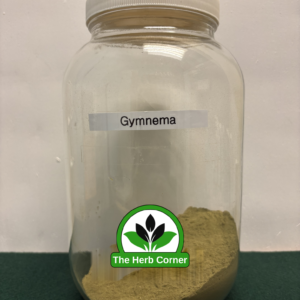
Gymnema (Gymnema sylvestre)
Gymnema (Gymnema sylvestre) is well known among herbalists for its remarkable blood sugar-regulating and anti-diabetic properties, traditionally used in Ayurvedic medicine to suppress sweet cravings, support healthy glucose metabolism, stimulate insulin production, and regenerate pancreatic beta cells, earning it the Hindi name “Gurmar,” meaning “sugar destroyer.”
-
Uncategorized
Heal-All (Prunella vulgaris)
Heal-All (Prunella vulgaris) is well known among herbalists for its broad-spectrum vulnerary, antimicrobial, and immune-supporting properties, traditionally used to accelerate wound healing, relieve sore throats and mouth ulcers, support liver health, and provide potent antiviral and antioxidant benefits through its rich rosmarinic acid and flavonoid content.
-
 Herbs
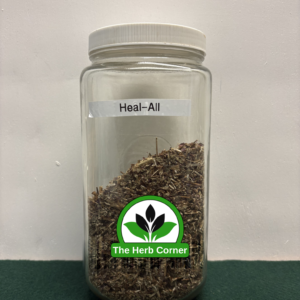
HerbsHeal-All (Prunella vulgaris)
Heal-All (Prunella vulgaris) is well known among herbalists for its broad-spectrum vulnerary, antimicrobial, and immune-supporting properties, traditionally used to accelerate wound healing, relieve sore throats and mouth ulcers, support liver health, and provide potent antiviral and antioxidant benefits through its rich rosmarinic acid and flavonoid content.
-
Uncategorized
Heartease Violet (Viola tricolor)
Heartsease Violet (Viola tricolor) is well known among herbalists for its gentle anti-inflammatory, expectorant, and alterative properties, traditionally used to relieve skin conditions such as eczema and psoriasis, soothe respiratory congestion and coughs, support urinary tract health, and gently cleanse the blood and lymphatic system.
-
 Herbs
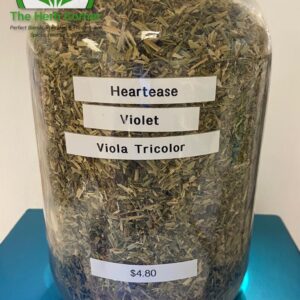
HerbsHeartease Violet (Viola tricolor)
Heartsease Violet (Viola tricolor) is well known among herbalists for its gentle anti-inflammatory, expectorant, and alterative properties, traditionally used to relieve skin conditions such as eczema and psoriasis, soothe respiratory congestion and coughs, support urinary tract health, and gently cleanse the blood and lymphatic system.
