Plant
Showing 201–227 of 227 results
-
 Herbs
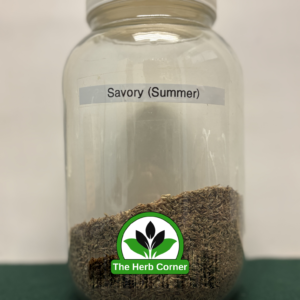
HerbsSummer Savory (Satureja hortensis)
Summer Savory (Satureja hortensis) is well known among herbalists for its reliable carminative, antimicrobial, and expectorant properties, traditionally used to relieve digestive discomfort, gas, and bloating, combat intestinal parasites and infections, ease respiratory congestion, and provide gentle astringent and antioxidant benefits through its rich carvacrol and thymol volatile oil content.
-
 Herb Leaf
Thyme Leaf (Thymus vulgaris)
Thyme Leaf (Thymus vulgaris) is well known among herbalists for its exceptional antimicrobial, expectorant, and antispasmodic properties, traditionally used to relieve respiratory infections, bronchitis, whooping cough, and chest congestion, combat bacterial and fungal infections, ease digestive discomfort and bloating, and provide powerful broad-spectrum antiseptic benefits through its rich volatile oil content, particularly thymol and carvacrol, making it one of the most versatile and widely valued medicinal herbs in both Western and European herbal traditions.
-
 Herb Powder
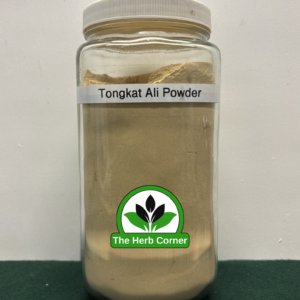
Tongkat Ali Powder (Eurycoma longifolia)
Tongkat Ali Powder (Eurycoma longifolia) is well known among herbalists for its potent adaptogenic and androgenic properties, traditionally used in Southeast Asian folk medicine to enhance male vitality and sexual function, naturally support healthy testosterone levels, improve physical endurance and athletic performance, relieve fatigue and stress, and provide powerful antimicrobial and anti-tumor benefits through its unique quassinoid and eurycomanone compounds, earning it the widely recognized traditional title of “Malaysian Ginseng.”
-
 Herb Powder
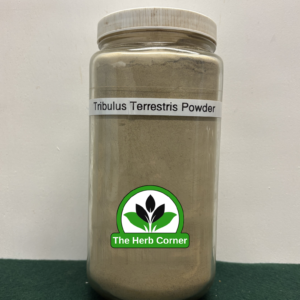
Tribulus Terrestris Powder
Tribulus Terrestris Powder (Tribulus terrestris) is well known among herbalists for its renowned adaptogenic and androgenic properties, traditionally used in both Ayurvedic and Traditional Chinese Medicine to enhance libido and sexual function, support healthy testosterone levels, improve athletic performance and muscle strength, promote kidney and urinary tract health, and provide cardiovascular-supportive benefits through its rich saponin content, particularly protodioscin, making it one of the most widely used herbs for male vitality and reproductive health worldwide.
-
 Herb Powder
Turkey Rhubarb Root Powder (Rheum palmatum)
Turkey Rhubarb Root Powder (Rheum palmatum) is well known among herbalists for its dual action as both a gentle digestive bitter tonic in small doses and a potent stimulant laxative in larger doses, traditionally used in both Western and Traditional Chinese Medicine to support healthy liver and gallbladder function, relieve constipation, reduce inflammation of the digestive tract, and provide powerful anthraquinone compounds that promote thorough intestinal cleansing and detoxification.
-
 Herbs
HerbsUsnea Lichen Whole (Usnea barbata)
Usnea Lichen Whole (Usnea barbata) is well known among herbalists for its potent antimicrobial and immune-enhancing properties, traditionally used to combat bacterial, viral, and fungal infections, support respiratory and urinary tract health, relieve sore throats and upper respiratory infections, and provide broad-spectrum antibiotic-like benefits through its primary active constituent usnic acid, making it one of the most valued and effective natural antimicrobial botanicals in Western herbal medicine.
-
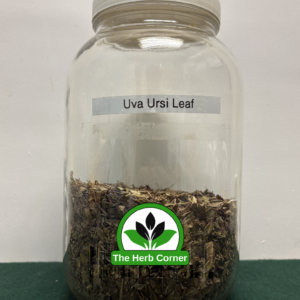 Herb Leaf
Uva Ursi Leaf (Arctostaphylos uva ursi)
Uva Ursi Leaf (Arctostaphylos uva-ursi) is well known among herbalists for its potent urinary antiseptic and astringent properties, traditionally used to relieve urinary tract infections, cystitis, and urethritis, reduce inflammation of the bladder and kidneys, and provide powerful antimicrobial benefits through its primary active constituent arbutin, which is converted to the antiseptic hydroquinone in the urinary tract, making it one of the most trusted and specifically targeted herbal remedies for urinary tract health in Western herbal medicine.
-
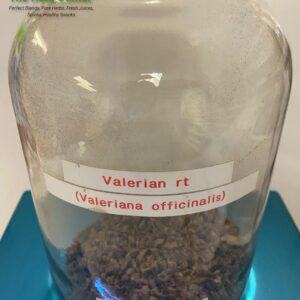 Herb Root
Valerian Root (Valeriana officinalis)
Valerian Root (Valeriana officinalis) is well known among herbalists for its powerful sedative and anxiolytic properties, traditionally used to relieve insomnia, anxiety, and nervous tension, ease muscle spasms and tension headaches, support the nervous system during periods of stress and emotional upheaval, and promote deep and restful sleep through its primary active valerenic acid compounds, making it one of the most widely used and extensively researched herbal sleep and relaxation remedies in Western herbal medicine.
-
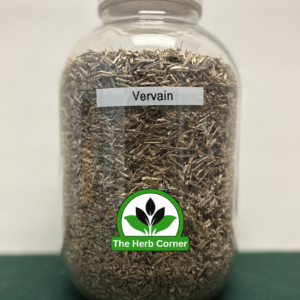 Herb Flower
Vervain (Verbena officinalis)
A slender, understated European wildflower with a therapeutic reputation far exceeding its modest appearance. One of the most revered nervine herbs in Western herbal tradition, long regarded as a sacred plant and now valued primarily for its profound nervous system and liver-supportive properties.
-
 Berries
Vitex Berries (Vitex agnus-castus)
Vitex Berries (Vitex agnus-castus) is well known among herbalists for their remarkable ability to regulate and balance female hormonal function through their action on the pituitary gland, traditionally used to relieve premenstrual syndrome, regulate irregular menstrual cycles, ease menopausal symptoms, support healthy progesterone levels, reduce symptoms of polycystic ovarian syndrome, and address hormonal imbalances related to fertility and reproductive health, earning it the widely recognized traditional name “Chaste Tree Berry.”
-
 Herb Powder
Wheat Grass Powder (Triticum aestivum)
Wheatgrass Powder (Triticum aestivum) is well known among herbalists for its exceptional nutritive and detoxifying properties, traditionally used as a premier alkalizing and blood-purifying superfood to support liver detoxification, boost immune function, increase energy and vitality, provide a rich and bioavailable source of chlorophyll, vitamins, minerals, and enzymes, and promote overall cellular health and systemic cleansing through its extraordinarily dense concentration of nutrients.
-
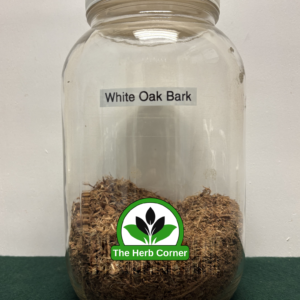 Herb Bark
White Oak Bark (Quercus alba)
White Oak Bark (Quercus alba) is well known among herbalists for its exceptionally high tannin content and powerful astringent properties, traditionally used to tone and tighten mucous membranes, relieve diarrhea and dysentery, reduce inflammation of the digestive tract, treat hemorrhoids and varicose veins, support wound healing and skin conditions topically, and provide broad-spectrum antimicrobial benefits, making it one of the most valued astringent and tissue-toning herbs in Western herbal medicine.
-
 Herb Bark
White Pine Bark (Pinus strobus)
White Pine Bark (Pinus strobus) is well known among herbalists for its rich proanthocyanidin and expectorant properties, traditionally used by Native American peoples to relieve respiratory congestion, coughs, and bronchitis, provide powerful antioxidant protection through its concentrated oligomeric proanthocyanidin content, support cardiovascular health; ease scurvy through its exceptional vitamin C content, and promote overall immune and respiratory well-being.
-
 Herb Bark
White Willow Bark (Salix alba)
White Willow Bark (Salix alba) is well known among herbalists for its remarkable analgesic and anti-inflammatory properties, traditionally used to relieve pain, reduce fever, and ease inflammation through its primary active constituent salicin, which the body converts to salicylic acid, earning it historical significance as the original botanical inspiration for the development of aspirin, and making it one of the most trusted and time-honored natural pain-relieving herbs in Western herbal medicine.
-
 Herb Bark
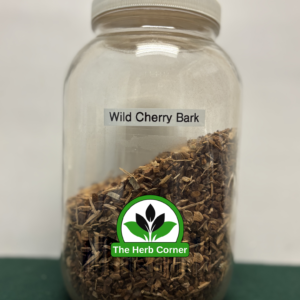
Wild Cherry Bark (Prunus serotina)
Wild Cherry Bark (Prunus serotina) is well known among herbalists for its potent antitussive and antispasmodic properties, traditionally used to relieve dry, irritating, and spasmodic coughs, ease bronchitis and respiratory congestion, calm nervous system excitability, and provide gentle sedative and astringent benefits through its primary active constituent prunasin, making it one of the most widely used and trusted herbal remedies for respiratory conditions in both Native American and Western herbal medicine traditions.
-
 Herbs
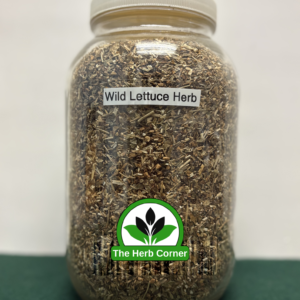
HerbsWild Lettuce Herb (Lactuca canadensis)
Wild Lettuce Herb (Lactuca canadensis) is well known among herbalists for its gentle sedative and analgesic properties, traditionally used to relieve pain, anxiety, and restlessness, ease dry and spasmodic coughs, promote restful sleep, and provide mild opium-like calming effects through its primary active constituent lactucarium, earning it the traditional nickname “poor man’s opium” while being considered a safe and non-addictive alternative for pain relief and nervous system support.
-
 Herb Root
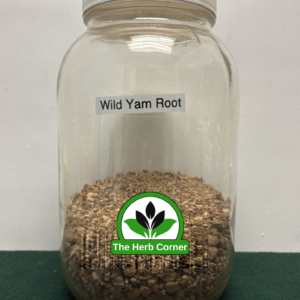
Wild Yam Root (Dioscorea villosa)
Wild Yam Root (Dioscorea villosa) is well known among herbalists for its antispasmodic and phytoestrogenic properties, traditionally used by Native American peoples to relieve menstrual cramps, ease menopausal symptoms, support healthy hormonal balance through its rich diosgenin content, relieve biliary and intestinal colic, and provide anti-inflammatory benefits for rheumatic and arthritic conditions, making it a widely valued and versatile herb for both female reproductive and digestive health.
-
 Herb Bark
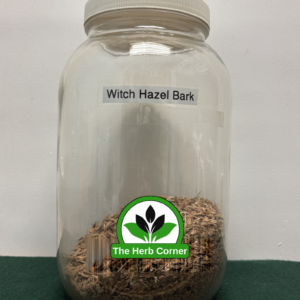
Witch Hazel Bark (Hamamelis virginiana)
Witch Hazel Bark (Hamamelis virginiana) is well known among herbalists for its exceptional astringent and anti-inflammatory properties, traditionally used by Native American peoples to tone and tighten tissues, relieve hemorrhoids and varicose veins, reduce skin inflammation and irritation, control bleeding and bruising, and provide powerful topical benefits for a wide range of skin conditions through its rich tannin and gallic acid content, making it one of the most widely used and trusted astringent botanicals in both traditional and modern herbal medicine.
-
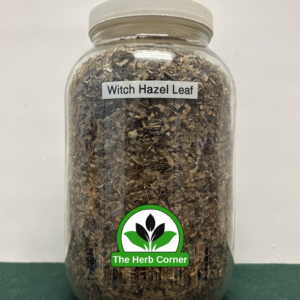 Herb Leaf
Witch Hazel Leaf (Hamamelis virginiana)
Witch Hazel Leaf (Hamamelis virginiana) is well known among herbalists for its concentrated astringent, anti-inflammatory, and hemostatic properties, traditionally used to soothe and tone irritated and inflamed tissues, relieve eczema, sunburn, and minor skin conditions, reduce swelling and bruising, ease sore throats and mouth inflammation as a gargle, and provide gentle yet effective topical benefits through its rich proanthocyanidin and tannin content, complementing the bark in its broad range of therapeutic applications.
-
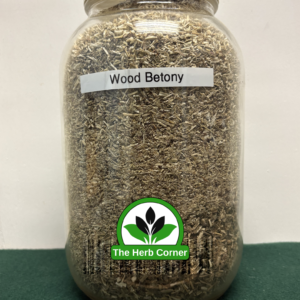 Herbs
HerbsWood Betony (Stachys officinalis)
Wood Betony (Stachys betonica) is well known among herbalists for its gentle nervine and digestive tonic properties, traditionally used to relieve anxiety, nervous tension, and stress-related headaches, support healthy digestion through its bitter stimulating action, ease neuralgia and facial pain, promote grounding and mental clarity, and provide gentle sedative benefits for nervous system exhaustion, making it a highly regarded and versatile nervine herb in both traditional European and Western herbal medicine.
-
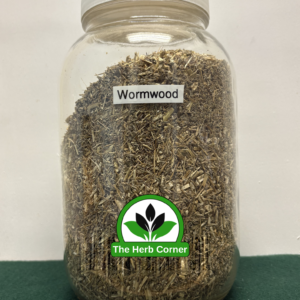 Herbs
HerbsWormwood (Artemisia absinthium)
Wormwood is an intensely bitter, aromatic herb traditionally valued in European and Mediterranean herbalism and commonly used in herbal bitters and botanical preparations.
-
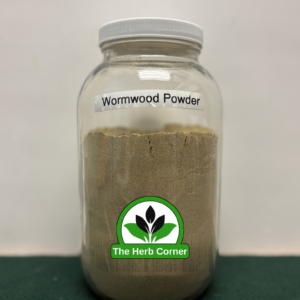 Herb Powder
Wormwood Powder (Artemisia absinthium)
A intensely bitter silver-green herb with one of the longest medicinal histories in Western herbalism. The primary botanical ingredient of absinthe and a cornerstone of traditional antiparasitic medicine — powerful, effective, and requiring genuine respect for its potency and toxicity profile.
-
 Herb Root
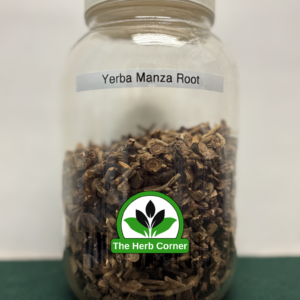
Yerba Mansa Root (Anemopsis californica)
A remarkable wetland herb native to the American Southwest and Mexico, deeply embedded in Native American and Hispanic folk medicine. One of the most versatile and underappreciated botanical medicines in North American herbal tradition, with broad antimicrobial and anti-inflammatory applications.
-
 Herb Leaf
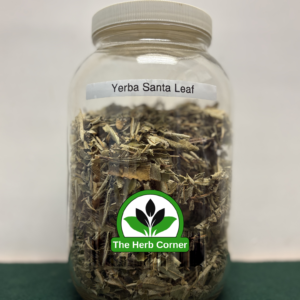
Yerba Santa Leaf (Eriodictyon californicum)
A resinous aromatic shrub native to the American West with a long and respected tradition in Native American and Hispanic herbal medicine. Known as “holy herb,” it is one of North America’s finest respiratory herbs — particularly valued for its ability to open airways and clear deep chest congestion.
-
 Herb Bark
Yohimbe Bark (Pausinystalia johimbe)
A West African evergreen tree bark containing yohimbine — one of the most pharmacologically active and clinically studied plant alkaloids known. Widely used for sexual dysfunction and fat loss, but carrying one of the most significant safety profiles of any commercially available herbal supplement.
-
 Herb Powder
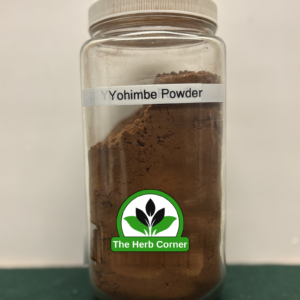
Yohimbe Powder
A West African evergreen tree bark containing yohimbine — one of the most pharmacologically active and clinically studied plant alkaloids known. Widely used for sexual dysfunction and fat loss, but carrying one of the most significant safety profiles of any commercially available herbal supplement.
-
 Herb Root
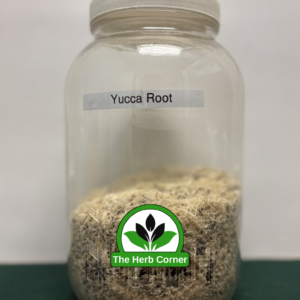
Yucca Root (Yucca schidigera / Yucca filamentosa)
A striking desert plant of the American Southwest and Mexico whose root has been used for centuries by Native American peoples as food, medicine, and soap. A rich source of steroidal saponins with genuine anti-inflammatory and joint-supportive properties increasingly validated by modern research.
